
You're standing in a remodel showroom with cabinet samples on one side and cooktop options on the other, trying to decide what will still feel right after the dust settles. The smooth, glassy model looks clean and modern, but you're also thinking about weeknight dinners, heavy pots, and whether your kitchen will be easy to live with after the installation team leaves.
Smooth stove tops solve one problem immediately, they erase the clutter of raised coils and give a kitchen a flatter, more finished look. They also create a different ownership experience, and that experience matters more in a remodel than a spec sheet does.
What Smooth Stove Tops Are and How They Work
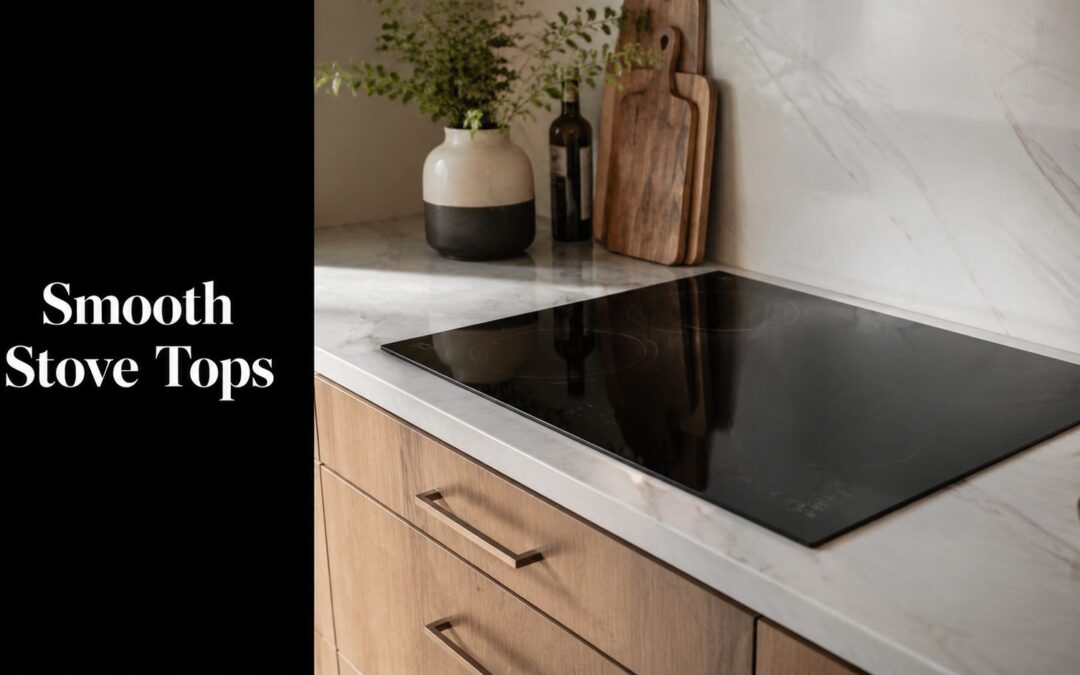
A homeowner usually notices the style first. The surface looks like one continuous sheet of black glass, and the cooktop seems to disappear into the counter instead of sitting on top of it. That's the appeal of smooth stove tops, especially in kitchens where the cabinetry, counters, and appliance finishes are meant to read as one coordinated design.

The basic idea behind the surface
The technology is simpler than it looks. A glass-ceramic surface sits over hidden electric heating elements, so the user cooks on a flat plane instead of around exposed coils. That layout is what made early smooth cooktops feel so different from traditional electric ranges, because spill cleanup became much easier and the kitchen looked less mechanically cluttered. This Old House notes that early versions appeared in the 1970s, and that early glass surfaces had discoloration issues that weren't fully solved until ceramic surfaces in the 1980s helped improve durability and visual consistency, a shift that helped the category become mainstream in North America and Europe (This Old House).
Why the history matters in a remodel
That timeline explains why some homeowners still think of smooth tops as a premium feature rather than just another electric appliance. The broader electric-cooking foundation goes back much farther, to 1892, when Thomas Ahearn assembled the first electric range, more than 80 years before smooth cooktops became common (National MagLab). The modern smooth top is really the combination of that electric lineage, hidden burners, and the later ceramic-glass surface that made the look practical enough for everyday kitchens.
The appeal is not only the flat surface, it's the way the cooktop visually belongs with the countertop and cabinetry around it.
For a remodel, that matters because the appliance isn't just a cooking tool. It becomes part of the room's architecture.
Advantages and Disadvantages for Real Kitchens
The showroom version of a smooth cooktop is easy to love. The daily-use version deserves a more honest look, especially if your kitchen sees heavy pots, frequent cooking, or several cooks moving through the space at once. The right question isn't whether it looks polished, it's whether it matches the way your household cooks.

What homeowners usually like
The first benefit is obvious. A smooth surface looks cleaner from across the room, and that visual calm is valuable in open kitchens where the cooktop sits in plain view. The second benefit is maintenance, because spills sit on top instead of dropping through grates or around coil pans. That makes quick wipe-downs simpler, which is one reason these cooktops are so common in remodeling conversations.
Where frustration tends to show up
The tradeoff is surface sensitivity. Glass-ceramic tops can scratch, and cookware habits matter more than many buyers expect. Heavy pans that get dragged instead of lifted can mark the surface, and warped cookware can leave less stable contact with the heating zone. Appliance guidance also points out that smooth tops need flat-bottom cookware for efficient heat transfer, so the wrong pan doesn't just create annoyance, it changes how the burner performs (Direct Appliance).
The other issue is that a premium-looking surface can create a false sense of durability. Families who cook every day with cast iron, oversized stockpots, or pans that are often set down hard need to think about the long-term cosmetic cost, not just the first-week appeal. That's the gap many buyers miss in a remodel consultation.
If your kitchen is a daily work zone, not a light-use space, the cooktop choice should follow cooking behavior first and aesthetics second.
A sensible comparison is this, smooth tops are best for homeowners who value a sleek look and are willing to be careful. Coil tops may suit households that prioritize simple cookware freedom over a refined finish. Neither choice is universally better, but only one will feel forgiving if your kitchen sees constant use and frequent cleanup.
Cleaning and Maintenance Routines That Protect Your Investment
A smooth cooktop holds up best in a kitchen where cleanup starts right after dinner, not the next morning. Once sugar, grease, or simmer splashes cool on glass-ceramic, they cling harder and take more effort to remove without scratching the surface. A practical routine uses warm water, a small amount of dish soap, nonabrasive tools, and a cooktop cleaner for spots that need more help, which is the approach recommended in Whirlpool care guidance.

Daily habits that prevent damage
After the burners cool, wipe the surface with a soft cloth and a mild cleaner made for glass-ceramic. That small step keeps spills from drying into a dull film that is harder to lift later. Skip steel wool, abrasive pads, and gritty powders, because they can leave the surface cloudy and worn. If your cooktop sits beside custom panels or painted fronts, clean those surrounding finishes separately so residue does not get pushed back across the glass, a lesson that also applies in this guide to cleaning wood kitchen cabinets.
Weekly deep cleaning that keeps the surface clear
Once a week, use a proper cooktop cleaner and a nonabrasive pad to remove the residue that regular wiping leaves behind. Let the cleaner dry to a white haze, then buff it away with a soft, dry cloth. That process matters for more than appearance. It also makes the burner zones easier to read and helps you notice wear, discoloration, or buildup before it becomes a bigger problem.
The response to sugary spills
Sugary spills need immediate attention. Syrup, jam, and candy can bond to the glass if they cool in place, and those marks are much harder to remove once they set. Handle those spots while the surface is only slightly warm, and use a scraper made for cooktops rather than improvised metal tools. In a busy household, this is the difference between a quick cleanup and a mark that stays visible every time the kitchen light hits the surface.
Clean gently and early, because the surface usually rewards prevention more than correction.
Cookware Compatibility and Safe Handling Practices
A smooth cooktop asks more from the pan than a coil burner does. The heating element sits under a flat surface, so the cookware needs to meet that surface evenly for heat to transfer well. If the base is warped, the pan can rock, the contact area shrinks, and cooking becomes less even. That is why flat-bottom cookware keeps showing up in appliance guidance.
Start with the pan, not the burner
Before you replace a pan, flip it over and check the bottom. It should sit flat without wobbling. That simple test catches a lot of trouble before it shows up at the stove. A pan that is already misshapen will not sit well on glass-ceramic, no matter how well it worked on older burners.
That matters even more in a remodel, where the cooktop is expected to fit into a carefully planned kitchen rather than stand alone. A homeowner may love the clean look in the showroom, then find the daily cooking experience depends on the cookware already in the cabinets. If the pots and pans do not match the surface, the appliance feels less forgiving from the first meal.
Handle the surface like a finished material
The top can scratch, so movement matters. Lift heavy cookware instead of dragging it across the surface, especially cast iron. Heat the burner gradually on medium-low to reduce thermal stress and lower the chance of warping. Those habits sound small, but they protect the glossy finish from the kind of wear that builds up in a busy kitchen.
The safest cookware is usually the simplest to live with. Flat, stable bases are the best fit, and pans with rounded bottoms or visible wear at the base can be frustrating on a smooth top even if they still work elsewhere in the kitchen. For heavy-use households, that difference shows up every day, not just during the first week after install.
Use compatibility as a buying filter
Treat cookware selection as part of the kitchen plan, not a separate shopping task. If you are choosing new pots, pans, or a griddle, look for pieces that sit firmly, heat evenly, and are easy to lift on and off the surface. Smart Cook Lab offers a useful reminder that the right surface habits start with choosing cookware that fits the cooktop well.
The same thinking should guide the rest of the remodel. If the kitchen is being built around custom storage, counter space, and a smooth cooking surface, the finish choices need to work together, not compete. This cookware and countertop planning guide helps show why the cabinet layout, countertop material, and everyday cooking habits should be considered as one system.
A smooth cooktop rewards consistent cookware, careful placement, and patience during heat-up.
Integrating Smooth Stove Tops with Custom Cabinetry
In a remodel, the cooktop doesn't live alone. It sits inside a counter run, near drawers, storage, ventilation, and often a backsplash that has to hold up visually against the appliance finish. That's why choosing a smooth stove top is partly an appliance decision and partly a cabinetry layout decision. The flat surface lets the kitchen feel uncluttered, but the surrounding build has to be designed with the appliance in mind.

Why the cabinet plan matters
The visual payoff is strongest when the cooktop aligns cleanly with the countertop cutout and the cabinet front lines. If the surrounding layout feels cramped or visually busy, the sleek surface loses some of its effect. A well-planned cabinet run gives the appliance breathing room and makes the whole kitchen feel intentional, not patched together.
Ventilation and support also need attention. Any cooktop install has to work with the cabinet structure beneath it, and that means the space below the counter should be planned before the finish materials go in. The appliance may look minimal from above, but the cabinetry underneath is doing real work.
Matching finishes without overcomplicating the room
Smooth tops pair well with many cabinet styles, but they look most deliberate when the surrounding finishes are chosen with restraint. That doesn't mean the kitchen has to be stark. It means the cooktop should feel like part of the visual field instead of a separate object dropped into it.
For homeowners planning a full kitchen layout, this cabinet planning resource is worth reviewing because appliance dimensions, drawer placement, and work zones all influence the final result. When those pieces are coordinated early, the cooktop looks built-in rather than added later.
The best integration happens when the cabinetry supports the appliance, not when the appliance forces the cabinetry to adapt at the last minute.
Troubleshooting Common Problems and When to Call for Service
A smooth cooktop problem often looks worse than it is. Uneven heating, dark marks, or a control that seems slow to respond can come from cookware, cleaning habits, or the way the burner is being used. The trick is separating surface issues from component issues before assuming the whole appliance needs repair.
Uneven heating
If one pan cooks unevenly, start with the pan itself. A warped base can create a poor seal with the cooktop, which affects heat transfer and leads to hot spots or slow heating. Try a different flat-bottom pan before calling for service, because the cooktop may be working normally and the cookware may be the actual issue.
Discoloration and cloudy patches
Discoloration often points to residue, moisture deposits, or past cleaning damage. If the spot doesn't respond to proper glass-ceramic cleaner and a soft cloth, the finish may already be marked. That's where patience matters, because aggressive scrubbing usually makes the appearance worse instead of better.
Surface damage and control issues
Scratches, chips, and cracks are different from stains. If you see physical damage in the glass, stop using the appliance until a technician checks it. The same goes for unresponsive controls, repeated error behavior, or a burner that won't regulate heat correctly. Those problems move beyond maintenance and into service territory.
If the issue changes from cosmetic to structural, don't keep testing it with heavy cookware or repeated high heat.
A good rule is simple. If the fix involves cleaning, cookware choice, or better handling, you can usually address it yourself. If it involves broken glass, electrical control problems, or a burner that won't behave predictably, call a qualified repair professional.
Making the Right Choice for Your Kitchen Remodel
A smooth cooktop is a strong choice when the kitchen plan puts design coherence and easy cleanup near the top of the list. It's a weaker choice when the household expects cast-iron freedom, frequent rough handling, or a surface that can take a lot of abuse without visible wear. That's why the best remodel decisions start with behavior, not just style.
If you're comparing appliance options as part of a larger renovation, the easiest way to decide is to ask three questions. How often do you cook. What cookware do you use most. How much maintenance are you willing to do to keep the surface looking new. Those answers usually point in one direction.
For a deeper planning framework, this kitchen remodel guide can help you think through the cooktop as part of the whole room instead of as a separate purchase. That's the right mindset for long-term satisfaction.
A smooth top makes sense when you want a polished, integrated look and you're comfortable treating the surface with care. If that sounds like your household, it can be a smart, durable part of a well-designed kitchen.
If you're planning a kitchen upgrade and want the cabinetry, countertop layout, and appliance placement to work together, Sinclair Cabinetry inc can help you think through the full remodel, not just the cooktop. Their custom cabinetry and kitchen renovation experience make them a practical partner for homeowners who want a kitchen that looks finished and works well every day.