
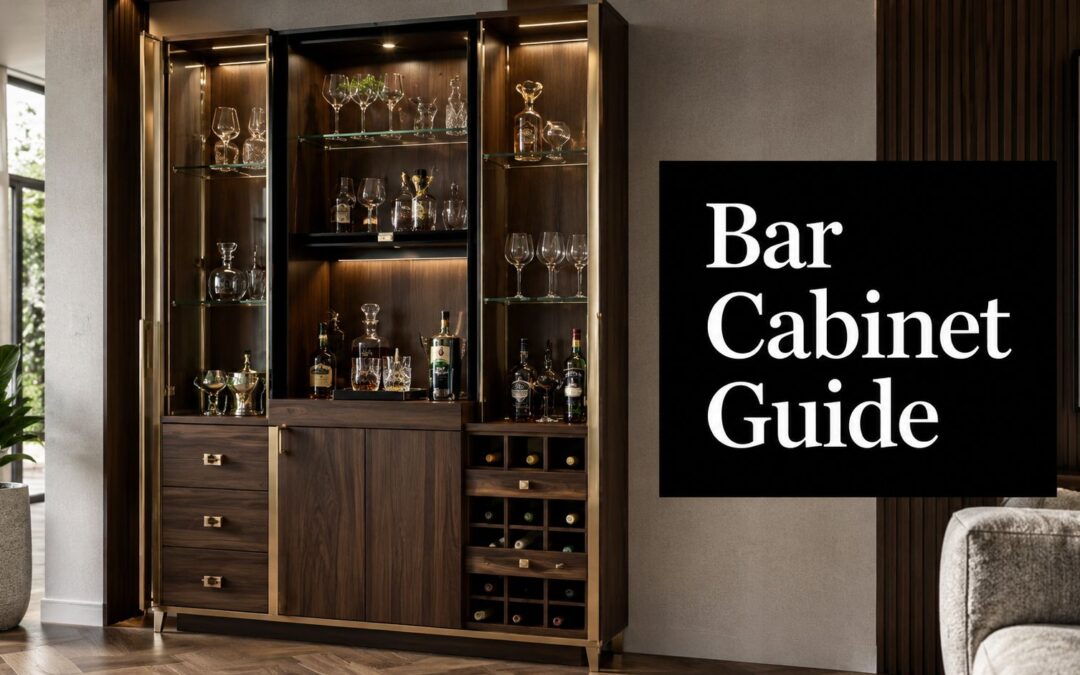
Guests are coming over. The bottles are still in a kitchen corner, the good glassware is split between two cabinets, and every drink takes more steps than it should. The room may be beautiful, but the entertaining experience feels improvised.
That's usually the point where homeowners start looking for a luxury home bar cabinet. Not because they need another piece of furniture, but because they want one place that handles service, storage, presentation, and rhythm. A well-made bar cabinet changes how a room works. It shortens the distance between host and guest, hides visual clutter, and gives the space a center of gravity.
Most guides stop at finishes and styling. They talk about walnut, brass, mirror backs, and dramatic lighting. Those details matter, but they aren't what determine whether a cabinet performs well five years from now. The crucial difference sits behind the doors: cabinet depth, hinge quality, drawer joinery, moisture resistance, ventilation planning, and whether the interior is designed specifically around the way people pour, chill, and clean.
Elevating Your Home with a Luxury Bar Cabinet
A bar cabinet earns its place when it does more than hold bottles. It should support the way you live. In a formal living room, it might need to disappear when closed and look like fine furniture. In an open-plan kitchen or lounge, it may need to act as a working station with glassware, mixers, serving tools, and controlled lighting all within reach.
The demand for that kind of piece isn't niche anymore. The global home bar cabinet market is valued at $1,468.2 million in 2025, and bar cabinets hold the largest share of the broader home bar furniture sector at 32.5%, showing how strongly homeowners favor concealed, design-forward storage for entertaining, according to Michelangelo Designs on luxury bar cabinet investment.

Why the right cabinet changes the room
A strong design solves two problems at once. It improves hospitality, and it refines the room even when nobody is drinking anything. Closed storage keeps labels, tools, and accessory clutter out of sight. Proper interior planning means you're not opening three doors and two drawers to make a simple cocktail.
For many homeowners, this is part of a larger shift toward dedicated entertaining zones. A sitting room, dining space, or renovated great room often feels more complete when one area is designed specifically for service and gathering. If you're thinking broadly about how to shape those spaces, these luxury home renovation ideas from Sinclair Cabinets offer useful direction.
A bar cabinet should make entertaining feel calmer, not more theatrical. The best ones reduce movement, noise, and visual mess.
What separates a decorative cabinet from a working one
A decorative cabinet looks good in photographs. A working cabinet anticipates real use.
That means asking practical questions early:
- How do you serve most often: Neat pours, wine service, cocktails, coffee after dinner, or all of the above.
- What needs concealed storage: Bottles, stemware, shakers, linens, ice buckets, cutting boards, small appliances.
- How much cleanup happens at the cabinet: Dry service only, or a true wet bar arrangement.
- What happens when the doors open: You need clear access, proper lighting, and no traffic conflict with nearby seating or circulation paths.
Luxury starts with appearance, but it lasts because of planning. That's where the better decisions get made.
What Truly Defines a Luxury Bar Cabinet
Price doesn't define luxury. Construction does. A cabinet can wear an expensive finish and still fail early if the box, hardware, and internal engineering are weak.
The first thing I look at is the carcass, which is the main body of the cabinet. Premium bar cabinets are built with solid hardwood carcasses such as mahogany, walnut, or oak, rather than veneered MDF. That choice matters because bar environments deal with humidity from glassware, spills, and room-to-room climate shifts. As noted by LuxeDecor's bar cabinet overview, solid hardwood construction helps prevent the warping and delamination common in engineered substrates, and dovetail joinery helps drawers stay aligned under heavy loads.

The structural signs of real quality
You can judge a cabinet quickly if you know where to look.
- Drawer joinery matters: Dovetail joints mechanically lock drawer sides to the front and back. That's important in a bar cabinet because bottles, openers, and crystal are heavy.
- Door hardware matters just as much: Soft-close hinges aren't only about feel. They reduce slam stress on the door, frame, and fasteners over time.
- Interior rigidity matters: Shelves carrying liquor need proper support and material thickness. Sagging shelves are a warning sign of underbuilt cabinetry.
Luxury also shows in what you don't notice at first glance. Consistent reveals around doors. Drawer fronts that sit square. Interior edges that are finished cleanly. Shelves that feel stable when loaded, not hollow or springy.
Appearance is the result, not the definition
Many homeowners understandably start with style. They bring references for dark walnut, reeded glass, brushed brass, or painted interiors. Those choices help shape the look, but they only become luxury when the structure underneath deserves them.
A useful benchmark is whether the cabinet would still be worth owning if you stripped away trend details and left only its bones. If the answer is no, it isn't luxury. It's decoration.
For homeowners comparing broader high-end cabinetry options, these luxury kitchen cabinet designs from Sinclair Cabinets show the same principle at work. The strongest designs begin with build quality, then layer on visual refinement.
Practical rule: If a bar cabinet will hold weight, moisture, and daily handling, judge it like millwork first and furniture second.
Choosing Premier Materials and Finishes
Once the structure is right, material selection becomes more interesting because now you can choose for both beauty and service life. In a bar environment, the visible surfaces take a beating from condensation rings, citrus, fingerprints, and repeated wiping. A finish that looks deep and elegant in a showroom can become frustrating if it marks easily in daily use.
Wood species and what they bring
Walnut remains a favorite because it has natural depth and variation without needing visual tricks. It reads refined in both contemporary and traditional rooms. It also hides minor wear better than very light woods because the grain and color already carry movement.
Oak offers a different character. It has a stronger grain pattern and can lean refined or rustic depending on the cut and stain. In a bar cabinet, oak works well when the surrounding room needs texture and the cabinet should feel architectural rather than sleek.
Mahogany has a formal presence. It suits classic interiors and furniture-style bar cabinets with paneled doors or richer detailing. If the room already has warm woods, mahogany can make the cabinet feel established rather than newly inserted.
For a broader overview of cabinet wood options, this guide to the best materials for kitchen cabinets and luxurious options gives useful context that also applies to bar cabinetry.
Finish choices and real-world trade-offs
Different finishes behave differently in use. That matters more at a bar than many buyers expect.
| Finish type | What works well | What to watch |
|---|---|---|
| Conversion varnish | Strong protection against moisture and routine cleaning | Repairs can be more involved if the surface gets deeply damaged |
| Lacquer | Smooth appearance and crisp finish quality | Can show wear sooner in high-contact areas |
| Hand-rubbed oil | Warm, natural look that highlights grain beautifully | Needs more owner attention and is less forgiving around spills |
A few practical decisions make a big difference:
- Sheen level: Lower sheens tend to show fingerprints less readily than very glossy surfaces.
- Edge detailing: Sharp corners chip more easily than eased edges in active areas.
- Interior finish: Lighter interiors improve visibility. Dark interiors can look dramatic but make bottle and tool retrieval less efficient.
Matching finish to behavior
A formal entertaining cabinet that opens occasionally can wear a more delicate finish than a family bar that sees weekly use. That distinction matters. Homeowners often choose with their eyes and only later realize they're selecting for a use pattern they don't have.
If you host often, favor durable topcoats and easy-clean interiors. If the cabinet is more of a statement piece, you can lean harder into texture, hand-applied finishes, or specialty surfaces. The right answer isn't universal. It depends on whether your bar is a display, a workstation, or both.
Essential Custom Features and Accessories
The fastest way to overspend on a bar cabinet is to add features that sound luxurious but don't support the way you entertain. The second-fastest way is worse. Buying a beautiful cabinet and discovering too late that it can't physically support the sink, fridge, or ice unit you wanted.
That second problem comes up constantly. Many design discussions praise wet bar features without dealing with the engineering hidden inside the cabinet body.

Features that earn their keep
Some upgrades consistently improve function.
- Integrated lighting: Good interior lighting helps you identify bottles, read labels, and create evening ambiance without flooding the whole room with bright overhead light.
- Glassware-specific storage: Stemware racks, divided drawers, and padded or shaped compartments prevent breakage and stop the cabinet from becoming a jumble.
- Pull-out work surfaces: These are useful when the cabinet needs to support mixing or garnishing but the room can't accommodate a permanent larger footprint.
- Temperature-aware storage: Refrigerated components can be worthwhile when the cabinet is part of regular hosting, but only when the ventilation and service access are designed correctly.
A feature is only premium if it works reliably and feels integrated. If it forces awkward reach, blocks another function, or steals too much useful storage, it isn't an upgrade. It's clutter.
The plumbing reality gap
A common but under-addressed issue is the Plumbing Reality Gap. Many guides celebrate integrated sinks and refrigeration but don't specify the minimum cabinet depth, rear clearance, or related planning needed to fit plumbing and cooling hardware without compromising the cabinet or forcing expensive changes later. That concern is highlighted in Tami Faulkner Design's wet bar guide and inspiration discussion.
If a cabinet is meant to function as a wet bar, the plumbing and refrigeration requirements need to shape the cabinet from the first drawing. They can't be treated as accessories.
Here's what often goes wrong:
- Depth is underestimated: A furniture-style cabinet may look substantial from the front and still lack the interior depth needed for sink bowls, traps, drain routing, or appliance bodies.
- Rear access gets ignored: Without planning for service space, installers end up cutting awkward modifications into the back, weakening the cabinet and complicating maintenance.
- Heat and air movement are overlooked: Refrigeration needs breathing room. Tight decorative enclosures can shorten appliance life or hurt performance.
- Door swing conflicts appear late: Once plumbing and appliance handles are accounted for, usable opening clearances can change dramatically.
A custom cabinet maker should ask about all of this before discussing specialty inserts. If they don't, they're designing the photo first and the cabinet second.
Planning Your Layout and Cabinet Sizing
Good layout work starts before dimensions go on a drawing. First decide what role the cabinet plays in the room. Is it a destination, a support station near dining, or a compact serving point in a lounge or study? The answer affects width, depth, door type, counter needs, and how much standing room should exist in front of it.
Too many homeowners measure a wall and assume that wall defines the cabinet. It doesn't. The room defines the cabinet.
Start with movement, not millwork
One useful planning reference comes from bar design guidance that notes about 1 meter (36 inches) of circulation space between back and front counters, as discussed in the earlier source on wet bar design. Even when you're not building two facing counters, that principle still helps. People need room to open doors, step back, pour, and pass through without colliding with stools, side tables, or seated guests.
Ask these questions before finalizing size:
- Where will a person stand to make a drink
- Can someone else pass behind them comfortably
- Will open doors or drawers interrupt a walkway
- Does nearby seating make the cabinet feel crowded when in use
If the room is compact, a slightly smaller cabinet with better clearance often feels more luxurious than a larger cabinet that turns service into a traffic jam.
What to measure carefully
Take more than one measurement, and take them in context.
- Wall width: Measure baseboard to baseboard, but also note outlet locations, trim projections, vents, and art placement.
- Available depth: Don't stop at what fits visually. Account for door projection, hardware projection, and standing space in front.
- Height relationships: A tall cabinet near low windows, beams, or artwork can feel top-heavy even when it technically fits.
- Open position footprint: Sketch the cabinet with doors and drawers open. That's the footprint that affects real use.
For homeowners who want a grounding in typical cabinetry proportions before going custom, this overview of standard cabinet sizes for kitchen planning is a helpful starting point.
Proportion matters as much as capacity
There's a temptation to maximize storage. In practice, oversized bar cabinets often become visually heavy and operationally awkward. Better to dedicate space intentionally: everyday glassware at hand height, bottles below, infrequent serving pieces higher up, and specialty items where they won't interfere with regular use.
A bar cabinet should feel settled in the room when closed and efficient in the room when open. If it only succeeds at one of those, the sizing is off.
Custom Built Versus Prefabricated Bar Cabinets
This decision usually turns on one question: are you buying a cabinet, or are you solving a room? If the space is straightforward and your needs are simple, a prefabricated unit may be enough. If the room has constraints, or the cabinet needs to function as serious millwork, custom starts making more sense very quickly.

Side-by-side trade-offs
| Criteria | Custom built | Prefabricated |
|---|---|---|
| Design fit | Built to the room, including awkward walls and architectural details | Limited to standard sizes and fixed forms |
| Material selection | Greater control over wood species, hardware, and finish systems | Options depend on what the manufacturer offers |
| Interior function | Can be designed around your bottles, glassware, refrigeration, and workflow | Interiors are generalized to suit a broad market |
| Installation outcome | Meant to integrate cleanly with surrounding millwork and finishes | May require fillers, compromises, or visible adjustments |
| Timeline | Requires design, fabrication, and coordination | Faster to purchase and install |
Where prefab works and where it falls short
Prefabricated cabinets work best when you need a furniture piece, not a custom-built system. They can suit secondary spaces, apartments, or situations where wet bar functions aren't involved and the room doesn't demand an exact fit.
They begin to struggle when the project asks for any of the following:
- Precise integration: Matching existing panel profiles, trim language, or adjacent cabinetry
- Hidden technical requirements: Accommodation for power, refrigeration, plumbing access, or venting
- Specialized storage: Drawers built around decanters, champagne buckets, oversized bottles, or specific glass collections
- Architectural balance: Correct scaling against ceiling height, windows, fireplaces, or built-ins
Custom isn't automatically the right answer for every buyer. But when a bar cabinet has to work hard, last well, and look native to the house, custom removes a long list of compromises that prefab can't solve elegantly.
The Sinclair Advantage Bespoke Cabinetry Realized
A luxury home bar cabinet is successful when the visible and invisible decisions support each other. The wood species should fit the room. The finish should suit the way the cabinet will be used. The doors and drawers should operate smoothly under real load. And if the design includes refrigeration or a sink, the cabinet should be engineered around those needs before fabrication begins.
That's where experienced cabinet makers separate themselves. They don't treat the project as a piece of styling. They treat it as a built object that has to endure moisture, weight, motion, service access, and repeated use while still reading as fine furniture.

What experienced fabrication changes
A seasoned custom shop sees problems early. It recognizes when a door swing will fight the room, when shelf spans need reinforcement, when a mirrored back will reflect lighting awkwardly, or when a wet-bar concept needs more depth than the client expects.
That kind of judgment matters because bar cabinetry sits at the intersection of furniture making, interior design, and practical service. It needs visual restraint, but it also needs mechanical honesty. Every hidden compromise eventually becomes visible in use.
Why bespoke still matters
For homeowners investing in a centerpiece for entertaining, bespoke cabinetry remains the clearest route to a result that feels intentional instead of adapted. It allows the cabinet to belong to the architecture, to the host's habits, and to the specific demands of the room.
The strongest projects usually share the same qualities:
- Purpose-led design: Storage and service are planned around actual routines
- Material integrity: Real wood, dependable hardware, and finishes chosen for use, not only display
- Technical foresight: Plumbing, refrigeration, lighting, and access are solved before construction
- Lasting fit: The cabinet looks correct in scale and works comfortably every time it opens
If those things matter, then the maker matters just as much as the design.
If you're ready to create a bar cabinet that feels designed specifically for your home and built for long-term use, Sinclair Cabinetry inc is the kind of partner worth speaking with. With over 35 years of experience, real wood construction, custom design capability, and professional installation, they can help turn a luxury home bar cabinet from a rough idea into a finished piece that performs as beautifully as it looks.