
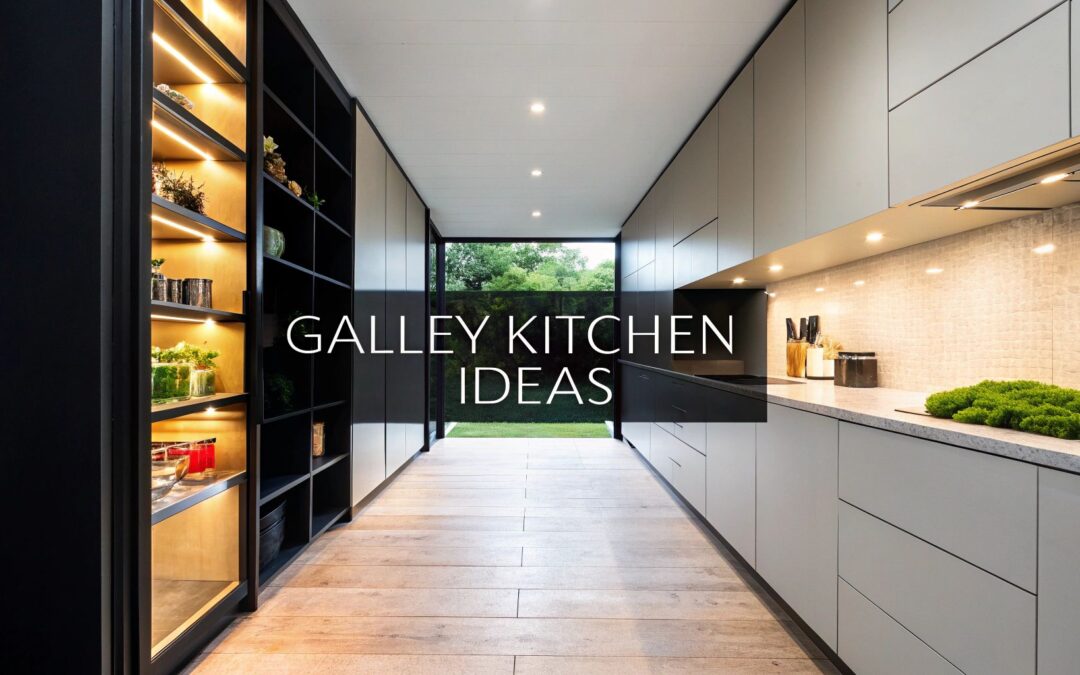
Galley kitchens, with their efficient, corridor-style layout, are a common feature in many homes, from historic city apartments to modern builds. While highly practical for cooking, their narrow footprint can often feel cramped, dark, and restrictive, posing a significant design challenge. The key to a successful remodel lies in transforming this linear space into an area that is not only supremely functional but also feels open, bright, and inviting. This requires more than just new cabinets or countertops; it demands clever design strategies that work with the layout's inherent constraints rather than against them.
This guide presents seven powerful kitchen remodeling ideas for galley kitchen spaces, each specifically chosen to maximize every square inch. We will explore actionable techniques that enhance workflow, boost storage, and create a beautiful, efficient heart for your home. From strategic storage solutions that draw the eye upward to optical illusions that create a sense of spaciousness, these concepts will provide the inspiration and practical advice needed to unlock your galley kitchen's true potential. You'll learn how to implement everything from multi-level countertops to innovative lighting designs, ensuring your renovation is both stylish and smart.
1. Open Shelving and Wall-Mounted Storage
One of the most effective kitchen remodeling ideas for a galley kitchen involves strategically removing upper cabinets in favor of open shelving and other wall-mounted storage solutions. This approach tackles the primary challenge of a galley layout: its narrow, corridor-like feel. By replacing bulky, door-fronted cabinets, you create an immediate sense of spaciousness and light, making the entire kitchen feel wider and more inviting.
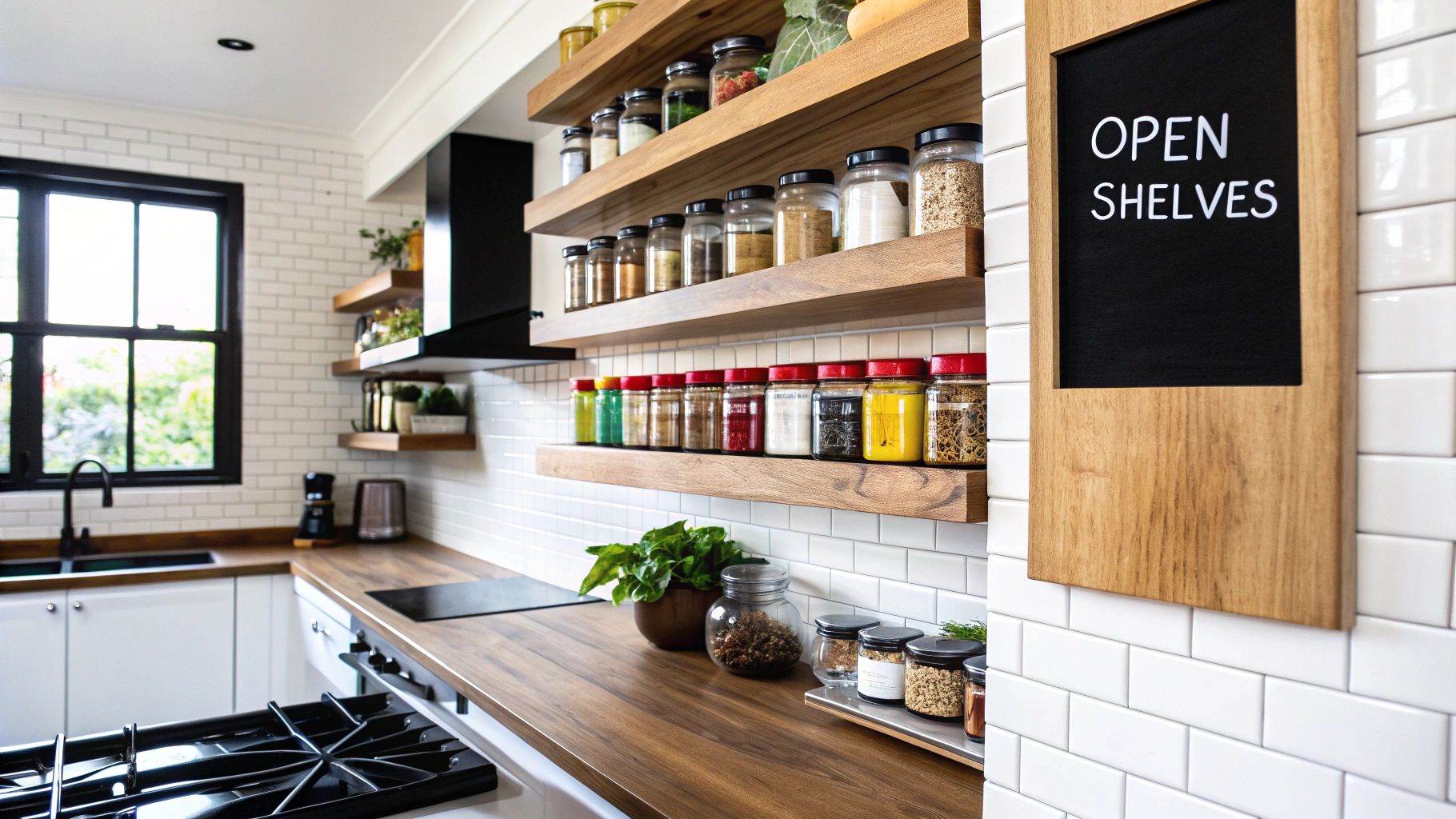
This design choice, popularized by visionaries like Joanna Gaines and central to Scandinavian design, is more than just an aesthetic upgrade. It enhances functionality by placing frequently used items within easy reach, eliminating the need to constantly open and close cabinet doors. This method transforms everyday essentials into a curated display, adding personality and style to the space.
Why It Works for Galley Kitchens
Galley kitchens often suffer from a "tunnel effect" caused by two parallel runs of cabinetry. Open shelving breaks up these solid vertical lines, allowing the eye to travel further and perceive more depth. This visual trick makes the narrow space feel significantly larger without altering the kitchen's fundamental footprint. It’s an ideal solution for homeowners seeking a high-impact change that improves both the form and function of their compact kitchen.
Implementation Tips for Maximum Impact
To successfully integrate this concept into your galley kitchen remodel, focus on curation and organization. A cluttered shelf can defeat the purpose of creating an open, airy feel.
- Curate Your Display: Feature your most attractive dishware, glassware, and serving pieces. Use matching containers for dry goods like pasta, flour, and coffee to create a clean, uniform look.
- Vary Heights and Materials: Install floating shelves at different heights to create dynamic visual interest. Mix materials, such as warm wood shelves with sleek metal brackets, to complement your overall kitchen design.
- Incorporate Practical Storage: Use wall-mounted magnetic knife strips, utensil rails, and pot racks to free up valuable counter and drawer space. This approach is borrowed from efficient restaurant kitchens.
- Add Integrated Lighting: Install under-shelf LED strip lighting to illuminate your countertops. This not only improves task visibility but also adds a warm, ambient glow that enhances the kitchen's atmosphere.
2. Light Color Palettes and Reflective Surfaces
One of the most transformative kitchen remodeling ideas for a galley kitchen is the strategic use of light color palettes and reflective surfaces. This design approach directly combats the confined and often dark nature of a narrow layout by maximizing both natural and artificial light. By choosing whites, creams, light grays, and pastels for walls, cabinetry, and countertops, you create a bright, expansive base that makes the space feel larger and more open.
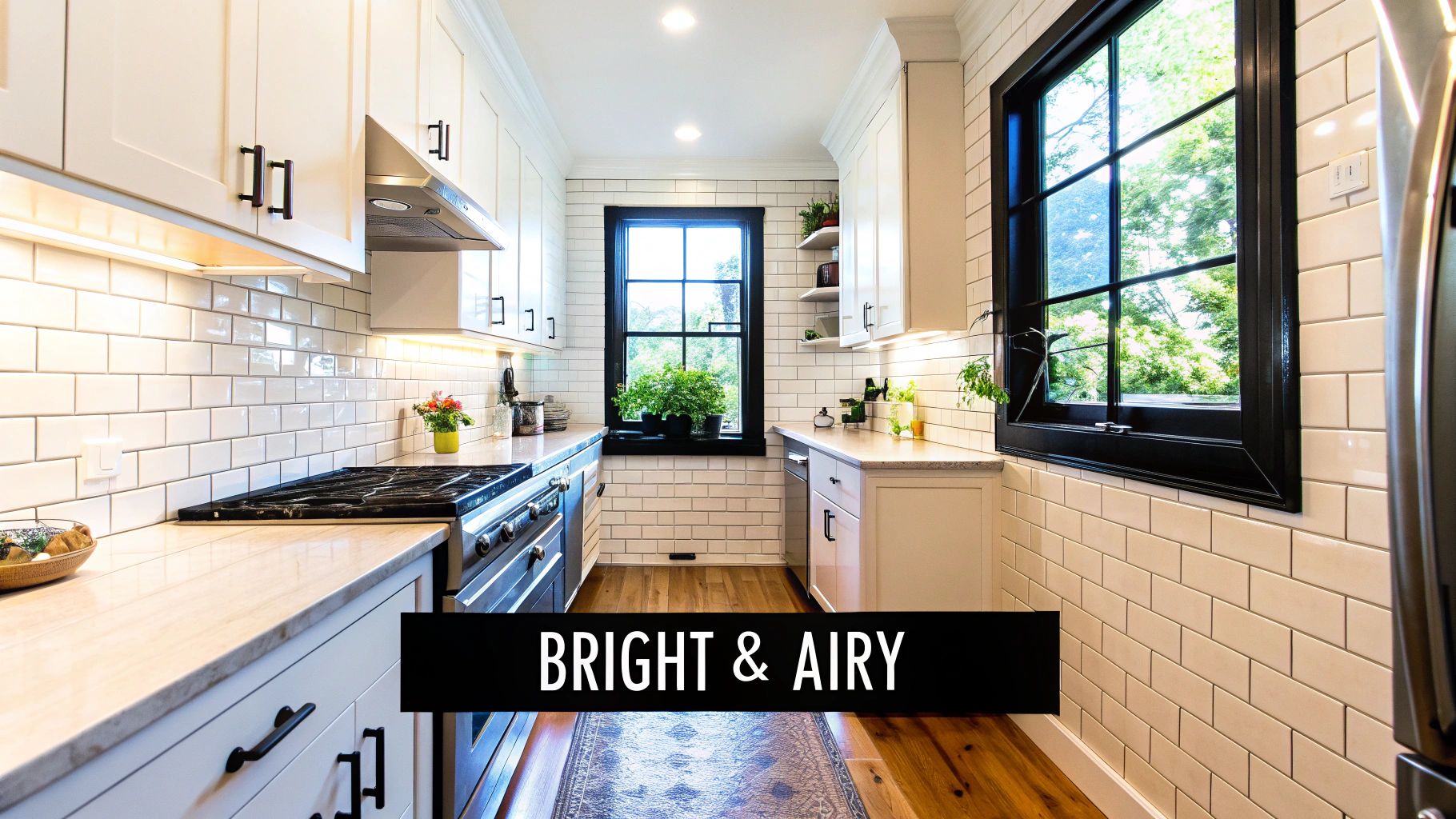
This concept, championed by designers like Nate Berkus and a core tenet of Scandinavian and modern European design, goes beyond simple paint choices. It involves layering materials that bounce light, such as glossy cabinet finishes, polished metal hardware, mirrored backsplashes, and high-sheen floor tiles. The result is a kitchen that feels airy, clean, and far more spacious than its actual footprint suggests.
Why It Works for Galley Kitchens
The narrow corridor of a galley kitchen can act as a light trap, absorbing illumination and creating shadows that visually shrink the space. A light and reflective color scheme reverses this effect. Light colors recede, making walls feel further apart, while glossy surfaces act like mirrors, reflecting light and views to create an illusion of depth. This one-two punch is incredibly effective at making the galley layout feel bright and welcoming.
Implementation Tips for Maximum Impact
To leverage this strategy effectively, combine light colors with a variety of textures and finishes to prevent the space from feeling sterile or one-dimensional. A thoughtful balance is key to achieving a sophisticated and inviting look.
- Choose Reflective Backsplashes: Opt for glossy ceramic subway tiles, polished marble, or even a mirrored or glass backsplash. To maximize light and openness, consider incorporating reflective materials like glass. When doing so, ensure safety and durability by opting for tempered glass for reflective surfaces.
- Select Smart Finishes: Use semi-gloss or satin paint on walls and choose high-gloss or lacquer finishes for cabinetry to enhance light reflection. Polished chrome or brass hardware can add a touch of metallic shine.
- Layer Tones and Textures: Create depth by using different shades within the same light color family. For example, pair off-white cabinets with a slightly darker greige countertop and a textured white tile backsplash.
- Enhance with Lighting: Install under-cabinet LED lighting to brighten countertops and highlight reflective surfaces. This adds a functional layer of task lighting while amplifying the overall brightness of the kitchen.
3. Strategic Lighting Design
One of the most transformative kitchen remodeling ideas for a galley kitchen is implementing a strategic, layered lighting design. This approach moves beyond a single, central ceiling fixture, which often casts harsh shadows and accentuates the narrowness of the space. Instead, it combines multiple light sources at different levels, including ambient, task, and accent lighting, to create a bright, functional, and visually larger kitchen.

This method, championed by lighting experts and integrated into modern kitchen design, is crucial for overcoming the inherent challenges of a galley layout. By illuminating work surfaces, brightening dark corners, and drawing the eye upward, a well-planned lighting scheme can make the corridor-like space feel wider, taller, and more welcoming. Proper lighting enhances both the aesthetic appeal and the everyday usability of the kitchen.
Why It Works for Galley Kitchens
Galley kitchens are notorious for feeling dark and cramped due to their long, narrow footprint. A single overhead light source creates a "tunnel effect" by leaving the peripheries and under-cabinet areas in shadow. Layered lighting counteracts this by distributing light evenly throughout the space. Task lighting directly illuminates countertops for safer food prep, while ambient lighting provides overall brightness, and accent lighting can highlight design features, creating a sense of depth and sophistication.
Implementation Tips for Maximum Impact
To effectively execute a strategic lighting design in your galley kitchen remodel, focus on creating balanced layers of light that you can control independently. For more inspiration, you can find a wealth of kitchen cabinet lighting ideas to further enhance your space.
- Install Under-Cabinet Lighting: This is non-negotiable for a galley kitchen. Place LED strips toward the front edge of the upper cabinets to fully illuminate your countertops and eliminate shadows cast by your body.
- Choose the Right Ambient Light: Replace a single central fixture with a series of recessed lights or a sleek track lighting system. Space recessed lights approximately 24-30 inches apart to ensure even coverage along the length of the galley.
- Add Dimmer Switches: Install dimmers on all light sources. This provides ultimate flexibility, allowing you to switch from bright, functional light for cooking to a soft, ambient glow for relaxing or entertaining.
- Select the Correct Color Temperature: Use warm white LEDs (2700K-3000K) to create a cozy and inviting atmosphere. Harsher, cooler lights can make a small space feel sterile and uninviting.
4. Multi-Level Counter Heights and Breakfast Bars
A highly effective kitchen remodeling idea for a galley kitchen is to introduce multi-level counter heights and incorporate a breakfast bar. This design strategy breaks up the long, monotonous lines of a traditional galley layout, creating distinct functional zones for food prep, cooking, and dining. By adding a raised bar or a slightly lowered prep area, you add significant visual interest and practical utility without compromising the kitchen's efficient workflow.
This concept, often showcased by designers like Christopher Peacock and seen in various HGTV makeovers, transforms a simple galley kitchen into a dynamic, multi-purpose space. A raised breakfast bar can provide much-needed casual seating and a social hub, while a lowered section can create a more ergonomic height for tasks like baking or chopping.
Why It Works for Galley Kitchens
In a narrow galley, every square inch counts. A multi-level design adds functionality vertically, creating a new "layer" of utility. A breakfast bar at one end can extend the kitchen's footprint into an adjoining living or dining area, providing seating without blocking the main corridor. This approach cleverly adds a dining spot and extra surface area, making the compact kitchen feel more spacious and integrated with the rest of the home.
Implementation Tips for Maximum Impact
To seamlessly integrate varied heights, careful planning is crucial for both aesthetics and ergonomics. A well-designed multi-level counter feels intentional and enhances usability.
- Define Zones: Use a raised bar-height section (typically 42 inches) for casual dining and a standard counter height (36 inches) for primary prep work. This clearly separates tasks.
- Ensure Proper Clearance: When adding seating, allow for at least 36 inches of clear walkway space behind the stools or chairs. A comfortable knee space of about 24 inches wide and 15 inches deep per person is ideal.
- Coordinate Materials: Create a cohesive look by using a contrasting but complementary material for the raised section. For example, pair a quartz primary countertop with a warm butcher block for the breakfast bar.
- Integrate Storage and Power: Maximize the space beneath the raised bar by incorporating small cubbies, wine storage, or shallow shelving. Consider adding outlets for charging devices or using small appliances.
For more ideas on selecting furniture that integrates seamlessly with multi-level counter heights, you can learn how to find the perfect breakfast bar furniture to complement your design.
5. Space-Saving Appliance Solutions
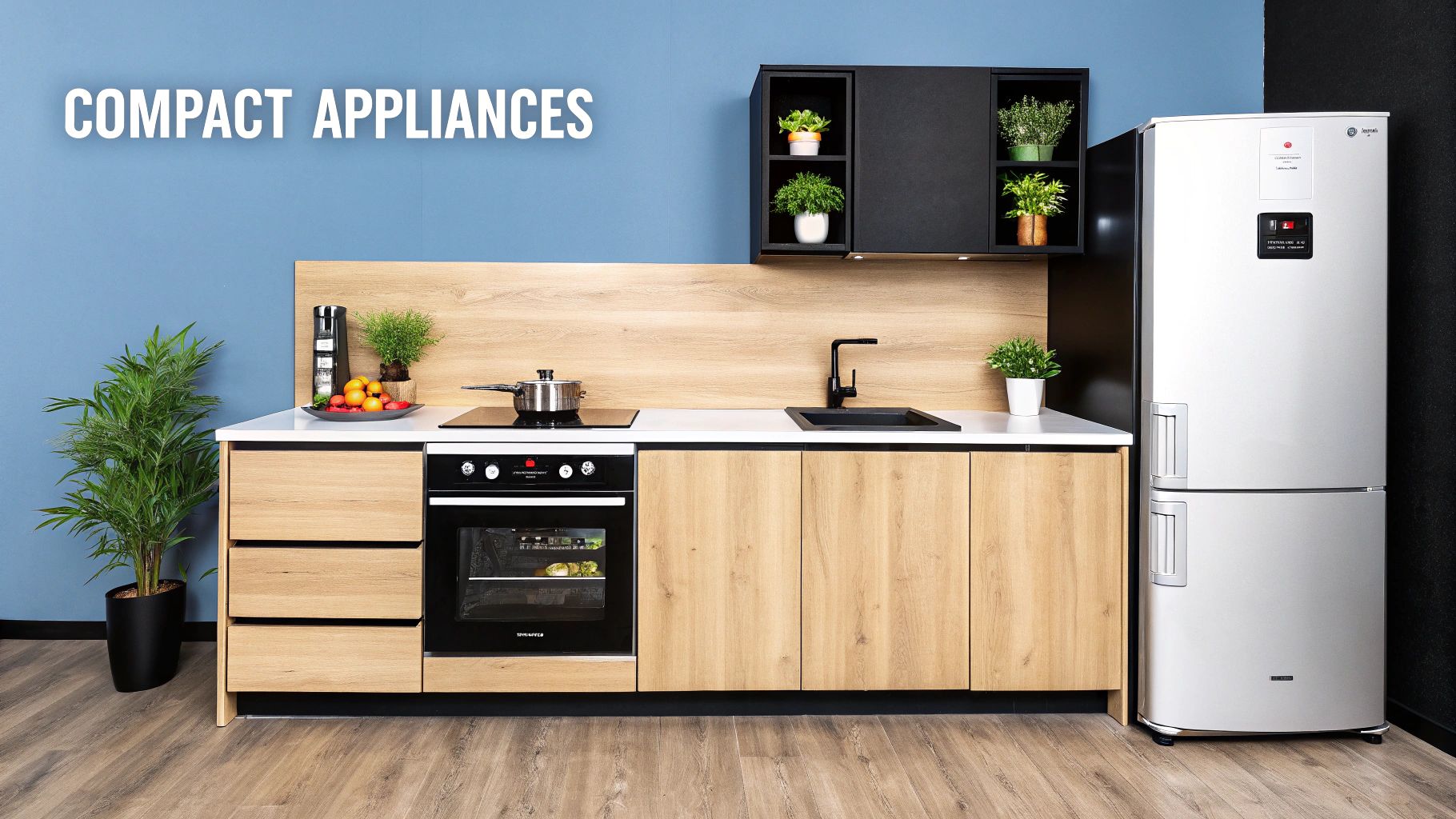
A crucial aspect of any successful kitchen remodeling ideas for a galley kitchen is the intelligent selection of appliances. Choosing space-saving and integrated appliance solutions is fundamental to maximizing both functionality and perceived space in a narrow layout. This strategy involves moving beyond standard-sized units to embrace compact, counter-depth, and multi-functional models that reduce their physical and visual footprint.
This approach, championed by European manufacturers like Miele and Bosch and adopted by small-space experts, focuses on efficiency. By selecting appliances designed for compact living, you can reclaim valuable inches of counter and floor space, which is a premium commodity in a galley kitchen. This allows for a more streamlined, uncluttered, and highly functional work area.
Why It Works for Galley Kitchens
In a galley kitchen, every inch counts. Standard-depth refrigerators can protrude several inches beyond the cabinetry, creating a bottleneck that disrupts workflow and makes the space feel cramped. Counter-depth models, integrated panel-ready appliances, and drawer-style units solve this problem by sitting flush with the surrounding cabinets. This creates a seamless, uninterrupted line that visually expands the narrow corridor and enhances the kitchen's cohesive design.
Implementation Tips for Maximum Impact
To effectively integrate space-saving appliances, careful planning and selection are key. The goal is to create a powerful, efficient kitchen that feels larger than it is.
- Prioritize Counter-Depth Models: Opt for a counter-depth refrigerator. Brands like Sub-Zero and Fisher & Paykel offer high-end options that sit flush with your cabinets, instantly making the walkway feel wider.
- Embrace Drawer Appliances: Consider installing drawer-style dishwashers or microwave drawers. Placing these below the counter frees up upper cabinet space and maintains clean sightlines.
- Choose Compact Suites: Look for 18-inch or 24-inch appliance suites. A smaller dishwasher, a compact oven, and a slimmer cooktop can provide full functionality while saving significant space.
- Consider Combination Units: An all-in-one washer-dryer combo tucked under a counter or a convection microwave that doubles as a second oven can consolidate functions and reduce the number of required appliances.
- Plan for Utilities Early: Ensure your renovation plan accounts for the specific electrical, plumbing, and ventilation requirements of your chosen compact appliances, as these may differ from standard models.
6. Extended Kitchen Islands and Rolling Carts
While a traditional, fixed island might seem impossible in a narrow layout, incorporating moveable or custom-sized islands is one of the most versatile kitchen remodeling ideas for a galley kitchen. This strategy introduces additional workspace, storage, and even casual seating without permanently congesting the linear walkway. A well-chosen rolling cart or a slender, extended island can be a game-changer, enhancing workflow and functionality.
This solution, often highlighted by IKEA's clever small-space planning and featured on DIY renovation shows, offers the benefits of a full-sized island with crucial flexibility. Whether it’s a vintage industrial cart repurposed for a rustic look or a sleek, modern rolling unit, this addition provides a landing zone for groceries, a prep station for meals, or a serving area when entertaining, all while being easily moved aside when not in use.
Why It Works for Galley Kitchens
The primary challenge in a galley kitchen is maintaining clear, unobstructed passage. A fixed island can easily turn the space into a cramped and inefficient corridor. Rolling carts or slim, permanent islands are designed to work with this constraint, offering a "best of both worlds" solution. They provide a central hub that can be positioned for optimal workflow during cooking and then moved to restore open floor space, making the kitchen feel larger and more adaptable.
Implementation Tips for Maximum Impact
To make this concept work, the key is choosing a solution that complements your kitchen's scale and your specific needs. Proportionality and mobility are your guiding principles.
- Prioritize Mobility: Opt for a high-quality rolling cart with locking casters. This allows you to easily move it for cleaning or to create more space when needed. The IKEA FÖRHÖJA cart is a classic example that works perfectly in apartments.
- Mind the Clearance: If considering a slim, permanent island, ensure there are at least 36 to 42 inches of clearance on all working sides to allow for comfortable movement and appliance access.
- Maximize Storage: Choose a cart or island with built-in shelves, drawers, or hooks. Adding a magnetic knife strip or a side-mounted paper towel holder can further free up counter space.
- Coordinate Finishes: Select an island or cart with a finish that complements your existing cabinetry and countertops. A stainless steel top adds a professional look, while a butcher block top provides a warm, functional prep surface. For more inspiration, you can learn more about custom kitchen island design ideas on sinclaircabinets.com.
7. Floor-to-Ceiling Storage Solutions
One of the most transformative kitchen remodeling ideas for a galley kitchen is to fully embrace vertical space with floor-to-ceiling storage. This design strategy involves extending cabinetry, pantries, and shelving systems all the way up to the ceiling, capturing valuable real estate that is often overlooked and underutilized. By going vertical, you can dramatically increase your storage capacity without sacrificing a single inch of precious floor space.
This approach, championed by European kitchen manufacturers like SieMatic and organizational experts who emphasize maximizing every available space, creates a seamless, built-in look that feels both luxurious and intentional. A full wall of floor-to-ceiling pantry cabinets, for instance, can consolidate all your dry goods, small appliances, and cookware into one organized zone, effectively decluttering the rest of the kitchen.
Why It Works for Galley Kitchens
In a narrow galley layout, horizontal space is at a premium. Extending storage vertically draws the eye upward, creating an illusion of height and grandeur that counteracts the corridor-like feel. This method provides an incredible amount of storage, which is crucial in a compact kitchen, allowing you to keep countertops clear and maintain an organized, efficient workflow. It’s a powerful solution for anyone who feels their galley kitchen is bursting at the seams.
Implementation Tips for Maximum Impact
To make floor-to-ceiling storage work effectively in your galley kitchen remodel, focus on accessibility, visual balance, and cohesive design.
- Designate Zones: Use the highest, least accessible shelves for seasonal items, special-occasion dinnerware, or bulk supplies you don't need daily. Keep everyday items at eye and arm level.
- Improve Accessibility: Integrate clever hardware like pull-down shelving systems that bring upper cabinet contents down to you. Alternatively, a stylish rolling library ladder can add a charming and practical touch.
- Lighten the Look: To prevent a wall of tall cabinets from feeling overwhelming, incorporate glass-front doors on some of the upper sections. This breaks up the solid mass and allows you to display decorative items, adding visual interest.
- Plan for Integrated Lighting: Install interior cabinet lighting, especially in deep pantry units. Motion-activated LED lights are an excellent, energy-efficient option that ensures you can always see what’s inside.
- Maintain Cohesion: Use consistent hardware from top to bottom to create a clean, unified aesthetic. A seamless look is key to making this design feel integrated rather than imposing. For more insights on maximizing storage through thoughtful design, you can explore detailed guides on kitchen storage planning.
7-Key Kitchen Remodeling Ideas Comparison
| Strategy | Implementation Complexity 🔄 | Resource Requirements ⚡ | Expected Outcomes 📊 | Ideal Use Cases 💡 | Key Advantages ⭐ |
|---|---|---|---|---|---|
| Open Shelving and Wall-Mounted Storage | Moderate – mounting and organizing required | Low to moderate – materials and mounting hardware | Visual openness, accessible storage | Narrow galley kitchens seeking openness | Creates space illusion, easy access |
| Light Color Palettes and Reflective Surfaces | Low – painting and surface choices | Low – paint, tiles, and finishes | Brighter, larger-feeling kitchens | Dark or small kitchens needing brightness | Enhances light, timeless aesthetic |
| Strategic Lighting Design | Moderate to high – electrical work | Moderate to high – lighting fixtures and installation | Elimination of shadows, improved functionality | Kitchens needing better light layering | Enhances mood, improves usability |
| Multi-Level Counter Heights and Breakfast Bars | High – custom countertops and installation | High – premium materials and fabrication | Defined zones, added seating and storage | Kitchens wanting multifunctional counters | Adds space function and architectural interest |
| Space-Saving Appliance Solutions | Moderate – selecting and fitting compact appliances | Moderate to high – specialty appliances | Optimized kitchen footprint and flow | Small or narrow kitchens maximizing appliances | Saves space, cleaner integration |
| Extended Kitchen Islands and Rolling Carts | Moderate – depends on fixed or mobile | Low to moderate – island/cart materials | Additional prep/storage space, flexible layout | Kitchens needing extra surface without remodel | Flexible workspace, added storage |
| Floor-to-Ceiling Storage Solutions | High – custom cabinetry and access systems | High – cabinetry, hardware, ladder systems | Maximized vertical storage capacity | Kitchens with limited floor space | Dramatically increases storage, neat vertical lines |
Bringing Your Vision to Life with Custom Solutions
Remodeling a galley kitchen is a masterclass in maximizing efficiency and style within a constrained footprint. As we've explored, the perceived limitations of this classic layout are not obstacles but opportunities for innovative design. By embracing a strategic approach, you can transform a narrow corridor into a highly functional, visually expansive, and beautiful culinary workspace that feels anything but small.
Key Takeaways for a Transformed Galley Kitchen
The journey from a cramped, dated galley to a modern, efficient hub hinges on a few core principles. Let's recap the most impactful kitchen remodeling ideas for a galley kitchen we've covered:
- Embrace Verticality and Openness: Techniques like incorporating open shelving and floor-to-ceiling storage draw the eye upward, creating an illusion of height and space. These solutions not only look great but are intensely practical, offering designated spots for everything from daily dishware to bulk pantry items. To truly maximize your vertical space, exploring expert tips on organizing your kitchen pantry can help you utilize every inch efficiently.
- Harness the Power of Light: A light color palette, reflective surfaces like a glossy backsplash or polished countertops, and a layered lighting strategy are your greatest allies. Together, they bounce light around the room, eliminating shadows and making the entire kitchen feel brighter, larger, and more welcoming.
- Prioritize Smart, Flexible Functionality: The modern galley kitchen is adaptable. Multi-level counter heights can create a dynamic breakfast bar without sacrificing prep space, while compact, integrated appliances maintain a sleek, uninterrupted visual line. Rolling carts offer a versatile solution for extra storage and counter space that can be moved as needed.
Moving from Inspiration to Implementation
The most successful galley kitchen remodels are those that tailor these broad ideas to the homeowner's specific lifestyle and needs. The true magic happens when you combine concepts. Imagine floor-to-ceiling cabinetry with integrated, under-cabinet LED lighting, finished in a light, semi-gloss color to both maximize storage and reflect light throughout the space. This fusion of ideas is what elevates a good design to a great one.
Ultimately, mastering these approaches is valuable because it allows you to reclaim your kitchen's potential. Instead of fighting against its linear shape, you work with it, creating an ergonomic "work triangle" that is celebrated for its efficiency. The result is a kitchen that not only looks stunning but also makes cooking, cleaning, and gathering a more intuitive and enjoyable experience. The right kitchen remodeling ideas for a galley kitchen don't just change the room; they enhance your daily life.
Ready to turn these ideas into a stunning reality with a solution crafted just for you? At Sinclair Cabinetry inc, we specialize in designing and building custom, real wood cabinetry that solves the unique challenges of galley kitchens, maximizing every square inch with beautiful, bespoke storage. Visit Sinclair Cabinetry inc to schedule a consultation and discover how our 35 years of expertise can bring your vision to life with unparalleled quality and craftsmanship.