

Understanding The Hardware Landscape: What Really Matters
Choosing cabinet hardware is more than just a minor detail. It significantly impacts the overall aesthetic and functionality of your kitchen or bathroom. Think of it as the jewelry for your cabinetry, providing that final touch of personality and polish. Understanding the various types of hardware and their interplay is essential for a successful project. For a deeper dive into hardware selection, check out this helpful guide: How to choose cabinet hardware.
Hardware Fundamentals: Knobs, Pulls, Hinges, and Slides
Cabinet hardware encompasses more than just decorative pieces. While knobs and pulls are the most prominent elements, hinges and slides play a crucial role in ensuring smooth operation and long-lasting durability. It's all about creating a system where every part works together harmoniously. A stunning knob won't do much good if the drawer it adorns is constantly sticking.
Knobs offer a classic, understated look, ideal for smaller cabinets and drawers. Pulls, with their more substantial grip, are well-suited for larger drawers and doors. The choice often boils down to personal taste and the overall design you're aiming for.
Hinges, often hidden from view, form the backbone of your cabinet system. They control how doors open and close, directly affecting both functionality and ease of access. Similarly, slides govern the movement of drawers, influencing how smoothly they glide in and out. For those interested in learning more about installation hardware, Flyware offers additional resources.
The Importance of a Cohesive System
Selecting cabinet hardware isn't just about picking individual pieces you like; it's about creating a unified system. Consider how the knobs, pulls, hinges, and slides work together, both in terms of function and appearance. A clash of styles or finishes can create a disjointed look, detracting from the overall design.
The size and placement of your hardware also play a key role in usability. A pull that's too small for a large drawer can be awkward to grasp, while a knob positioned too high on a cabinet door can be difficult to reach. Careful planning and attention to these details are essential for a successful outcome. This increasing focus on hardware is reflected in the market’s growth. The global cabinet hardware market is expected to reach USD 12.3 billion by 2032, expanding at a CAGR of 4.0% from its USD 8.5 billion value in 2023. Factors such as increasing urbanization and a flourishing real estate sector contribute to this growth. More detailed statistics can be found here.
Navigating the Market with Confidence
The sheer variety of styles, finishes, and materials available can make choosing cabinet hardware a daunting task. However, by understanding the fundamental principles of hardware selection and emphasizing a cohesive system, you can navigate the market with ease. Prioritize both functionality and aesthetics, and don't hesitate to explore different combinations until you find the perfect fit for your home.
Finding Your Style Sweet Spot: Beyond Basic Design Rules
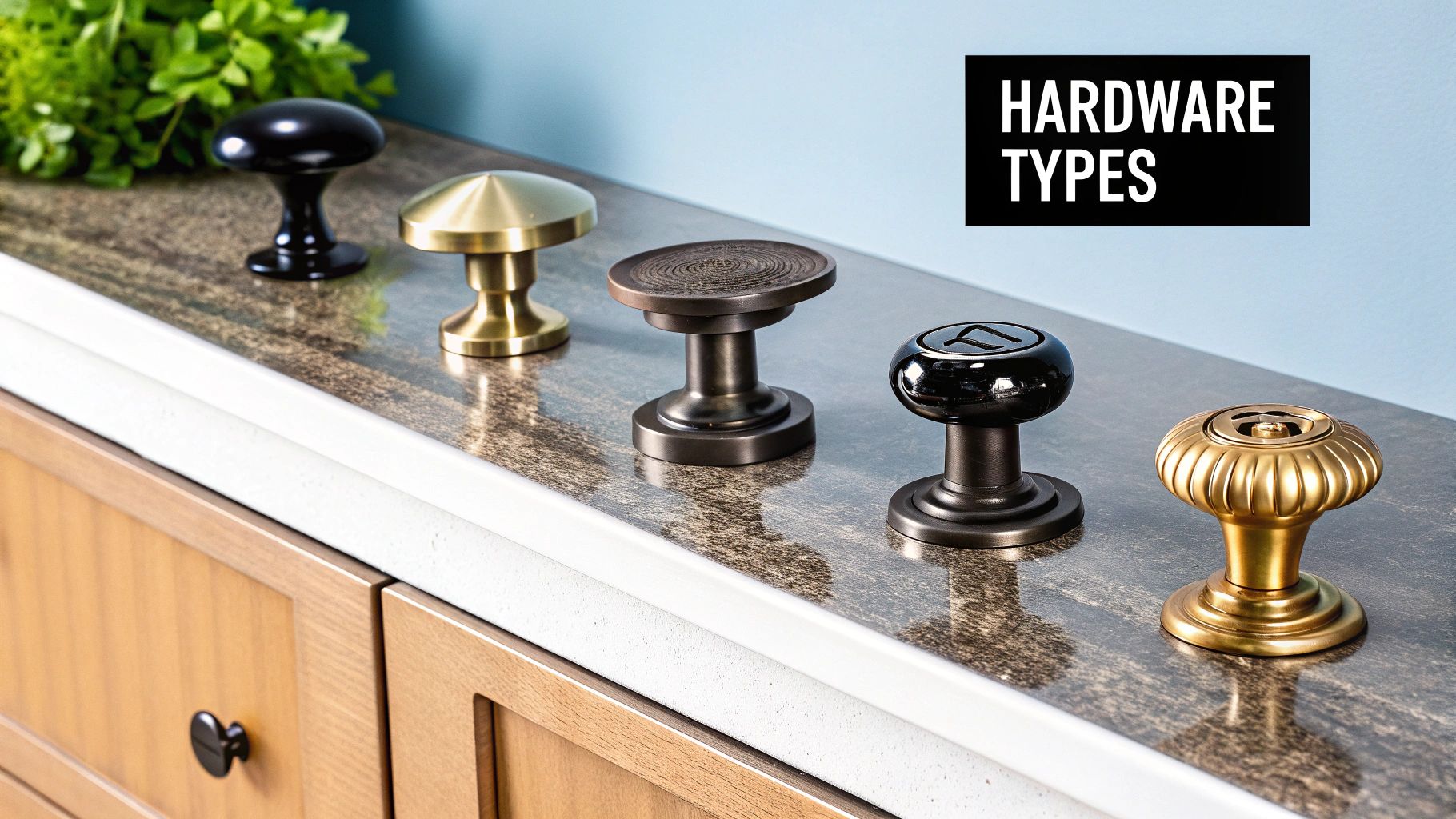
Choosing cabinet hardware is a design decision that goes beyond simply matching finishes. It's about weaving a cohesive story within your space. Think about how the hardware interacts with your existing elements, such as lighting, countertops, and architectural details. These seemingly small choices can significantly impact your overall aesthetic, either enhancing or detracting from the final look.
Analyzing Your Existing Space
Start by carefully assessing your current room. What styles and materials are already prominent? For instance, a modern kitchen with sleek lines and stainless steel appliances might benefit from simple, geometric hardware in a brushed nickel or polished chrome finish.
On the other hand, a traditional kitchen featuring ornate details and warm wood tones might be better suited to more decorative hardware in oil-rubbed bronze or antique brass. This thoughtful analysis helps ensure your hardware complements, rather than clashes with, your existing design.
The Art of Mixing Finishes
Matching hardware finishes creates a sense of unity and cohesion. However, strategically mixing finishes can add depth and visual interest to a space. This isn't about randomly selecting different finishes. Instead, consider using one finish for the main cabinetry and a contrasting finish for accent pieces like island or pantry door hardware. This layered approach adds a dynamic touch.
Breaking the Rules For Impact
Sometimes, the most striking designs arise from breaking the mold. Think about pairing modern, minimalist hardware with rustic cabinetry. This unexpected combination can create a surprising yet harmonious contrast.
Oversized pulls on smaller drawers can also introduce an element of unexpected drama. These calculated risks can elevate your design, making it truly unique and reflective of your personal style.
Future-Proofing Your Choices
Trends come and go, but your cabinet hardware should endure. To avoid future regrets, consider opting for classic styles and durable finishes with a proven track record. This ensures your kitchen or bathroom hardware remains stylish and functional for years to come, regardless of shifting design trends.
Hardware Styles and Design Considerations
To illustrate how different hardware styles can complement various settings, let's look at the table below:
To help you visualize how different hardware styles can be applied, we've compiled a helpful table: "Cabinet Hardware Styles and Their Best Applications." This table provides a comprehensive comparison of popular hardware styles and their recommended uses, considering both room type and overall design aesthetic.
| Style | Best For | Key Features | Popular Finishes |
|---|---|---|---|
| Contemporary/Modern | Sleek kitchens, minimalist bathrooms | Clean lines, geometric shapes | Brushed nickel, Polished chrome |
| Traditional | Classic kitchens, formal dining rooms | Ornate details, curved lines | Oil-rubbed bronze, Antique brass |
| Transitional | Blends modern and traditional elements | Simple yet elegant, versatile | Satin nickel, Brushed gold |
| Rustic/Farmhouse | Country kitchens, cozy bathrooms | Weathered finishes, natural materials | Black iron, Pewter |
| Eclectic/Bohemian | Unique spaces, artistic expression | Mix of styles and materials, bold statements | Antique brass, Polished nickel |
This table provides a clear overview of how various hardware styles can enhance different design aesthetics and room types. By understanding these principles, you can choose hardware that not only improves functionality but also reflects your personal style and design vision.
By carefully considering these factors, you can select cabinet hardware that elevates the entire room. Remember, choosing the right hardware is an investment in both the beauty and the longevity of your home.
Materials That Last: The Real Performance Story

Beyond the initial shine of new hardware, the real value lies in its ability to withstand everyday use. Choosing cabinet hardware isn't just about aesthetics. It's about finding a balance between style, durability, and practicality. This requires a deeper understanding of how materials perform over time, especially in high-use areas like kitchens and bathrooms. For a more in-depth guide on cabinet materials, check out this helpful resource: How to master the art of choosing cabinet materials.
Brass: Classic Beauty and Lasting Quality
Brass has always been a popular choice, offering a warm aesthetic and impressive durability. Solid brass hardware is highly resistant to corrosion and wear, making it perfect for frequently used cabinets and drawers. However, it's important to distinguish between solid brass and brass-plated options. Solid brass provides superior longevity, while brass plating can wear off, revealing the less durable metal underneath.
Stainless Steel: Modern Style and Resilience
Stainless steel is a favorite for its sleek, modern look and exceptional strength. Known for its resistance to rust and tarnish, it's well-suited for humid environments like kitchens and bathrooms. Stainless steel is also incredibly easy to clean and maintain, keeping its polished appearance with minimal effort.
Zinc Alloy: A Budget-Friendly Option
Zinc alloy offers a cost-effective alternative to pricier materials like solid brass. Its versatility allows it to be molded into a wide variety of shapes and designs. While offering design flexibility, zinc alloy is generally less durable than brass or stainless steel and may show wear and tear sooner.
Aluminum: Lightweight and Contemporary
Aluminum provides a lightweight and modern option for cabinet hardware. Its corrosion resistance makes it a practical choice for various applications. Aluminum is also relatively inexpensive, making it budget-friendly for larger projects. Keep in mind, however, that aluminum is softer than other metals and can be susceptible to scratches.
Finishes: The Protective Shield
The finish you select plays a significant role in both the look and lifespan of your hardware. Brushed nickel offers a subtle shine and effectively hides fingerprints. Oil-rubbed bronze creates a rich, antique look. Matte black, a popular choice for its modern aesthetic, can show fingerprints more easily. Polished chrome offers a classic, reflective finish, but requires more frequent cleaning. Consider your lifestyle and cleaning habits when making your decision.
Maintenance Matters: Preserving Your Hardware's Beauty
Regular maintenance is key to preserving the appearance and extending the life of your cabinet hardware. Simple cleaning with a soft cloth and mild soap can prevent buildup and keep the finish looking its best. Avoid harsh chemicals and abrasive cleaners that can damage the surface. Applying a protective sealant can further protect your hardware. The growing cabinet hardware market highlights the increasing focus on these seemingly small details. The global market, estimated at USD 11.89 billion in 2024, is projected to reach USD 22.04 billion by 2033, with a CAGR of 7.1%. This growth is driven by increasing urbanization and construction. Learn more about this trend here.
By carefully considering materials, finishes, and maintenance, you can select cabinet hardware that not only enhances your design but also stands up to the test of time. Choosing durable materials and establishing a consistent cleaning routine will ensure your hardware remains beautiful and functional for years to come.
Getting The Measurements Right: Size And Placement Mastery
Proper sizing and placement are crucial for cabinet hardware that feels intuitive and comfortable. Choosing hardware that's too large, too small, or awkwardly placed can disrupt the flow of your kitchen or bathroom. This guide will help you select hardware that feels perfect from the beginning.
Measuring for New Installations
New installations give you complete control over hardware placement. Start by considering the size of your cabinets and drawers. Larger drawers and doors often look and function better with longer pulls, while smaller cabinets are usually best suited to knobs or shorter pulls.
-
Drawers: A good rule of thumb for drawers is to select a pull that's roughly one-third the length of the drawer. A 30-inch drawer, for example, would work well with a 10-inch pull.
-
Doors: Consider both height and width when choosing hardware for cabinet doors. For standard doors, a knob or a pull around 3 inches long is a good starting point. Larger doors may need pulls up to 6 inches or longer.
-
Center-to-Center Measurement: The center-to-center measurement, or the distance between the two screw holes, is essential when using pulls. Measure carefully to ensure your hardware aligns with pre-drilled holes. For more detailed information, check out this helpful resource: How to master cabinet hardware sizing.
Working with Existing Holes
Replacing existing hardware is generally simpler, but still requires accurate measurement. Carefully measure the center-to-center distance of the current holes on your cabinets and drawers. This measurement will determine what size pulls will fit.
-
Using Existing Holes: If the current placement works for you, choose new hardware that matches the existing center-to-center measurement. This saves time and avoids extra work.
-
Drilling New Holes: If you’d like to change the placement, you’ll need to fill the existing holes and drill new ones. This takes more effort, but opens up options for customization.
Sizing Guidelines
To help you choose the right hardware, we’ve put together a table with some general sizing recommendations based on typical cabinet dimensions. Remember these are just guidelines. Feel free to adjust them to fit your own preferences and cabinet styles.
The table below, "Cabinet Hardware Sizing Guidelines," provides recommended hardware sizes based on typical cabinet door and drawer dimensions.
| Cabinet Size | Recommended Pull Length | Knob Diameter | Center-to-Center Spacing |
|---|---|---|---|
| Small Drawers | 3-4 inches | 1-1.5 inches | 3 inches |
| Medium Drawers | 5-7 inches | 1.5-2 inches | 3-4 inches |
| Large Drawers | 8-12 inches | 2-3 inches | 6-9 inches |
| Small Doors | 3-4 inches | 1-1.5 inches | 3 inches |
| Medium Doors | 4-6 inches | 1.5-2 inches | 3-4 inches |
| Large Doors | 6-10 inches | 2-3 inches | 6-9 inches |
As this table illustrates, larger drawers and doors generally require longer pulls and larger knobs, while smaller cabinets are well-suited to smaller hardware. The center-to-center spacing also increases with the size of the cabinet.
Visualizing Finish Preferences
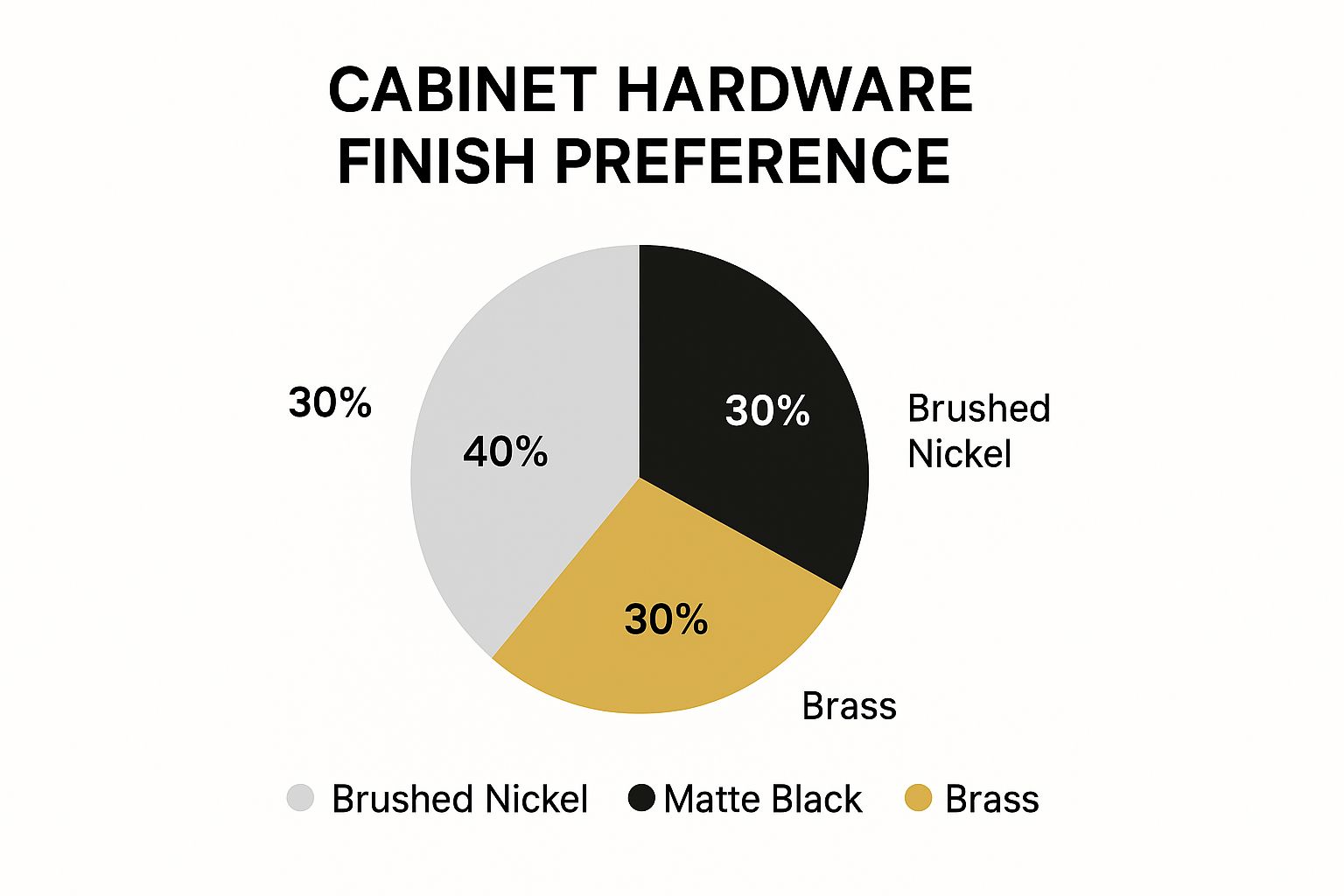
The pie chart above shows the percentage breakdown for the top three cabinet hardware finishes. Brushed nickel takes the lead at 40%, followed by matte black and brass, each at 30%. This data highlights brushed nickel's versatility, while matte black and brass remain popular choices for a bolder or more traditional look.
By following these measurements and guidelines, you can create a look that’s both functional and beautiful. Accurate measurements are the key to hardware that not only looks great, but also makes your cabinets and drawers easier to use. This attention to detail makes a big difference in the overall enjoyment of your kitchen or bathroom.
Smart Budget Strategies: Maximum Impact For Your Investment
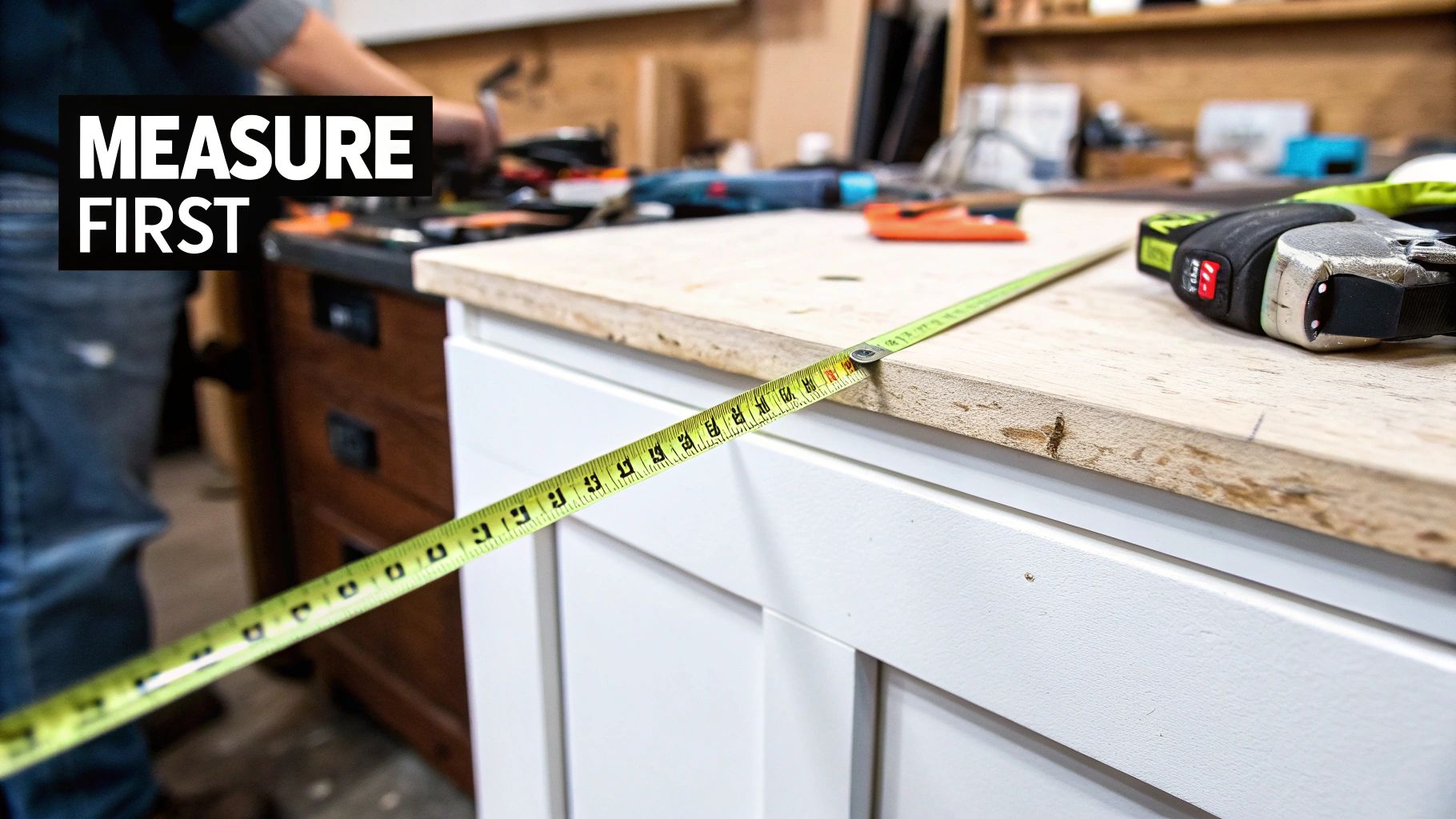
Quality cabinet hardware doesn't have to break the bank. Smart budgeting is about making informed decisions and prioritizing your spending when selecting the right pieces. By understanding where to save and where to splurge, you can achieve the desired look and functionality without overspending. This section offers practical strategies to maximize your investment.
Prioritize Your Spending: Where to Splurge and Save
Not all hardware is created equal. Some pieces have a significantly greater impact on the overall aesthetic of your cabinetry. This allows for strategic budget allocation. For instance, drawer pulls are highly visible and used frequently. This makes them a prime candidate for investing in quality and style.
Hinges, on the other hand, are essential for functionality but often hidden. This makes them a good area to consider budget-friendly options. Prioritizing spending in this way allows you to allocate funds where they'll make the biggest visual difference.
The Power of Bulk Buying
Purchasing hardware in bulk can often result in significant savings. Many retailers offer discounts for large orders. Buying in bulk also ensures a consistent style and finish across all your cabinets, creating a polished, professional look. However, accurately calculate your needs beforehand to avoid excess hardware.
Timing is Everything: Sales and Promotions
Keeping an eye out for sales and promotions can significantly stretch your budget. Many hardware stores and online retailers like Amazon offer discounts throughout the year, especially during holidays and seasonal sales events. Planning your purchases around these times can result in substantial savings.
Quality Alternatives: Finding Value
Achieving a high-end look doesn't always require high-end designer brands. Many reputable manufacturers offer quality hardware at more affordable prices. Explore different brands and compare their offerings, paying attention to materials, finishes, and construction. You might be surprised to find comparable quality for less.
Cost Breakdown and Hidden Expenses
Understanding the typical cost of cabinet hardware helps with effective budget planning. Basic knobs can start at a few dollars each, while more elaborate pulls can cost $20 or more. Factor in the total number of pieces needed for a realistic estimate. Don't forget to include hidden expenses such as shipping and installation.
Practical Tips for Stretching Your Budget
-
Repurposing Existing Hardware: If your existing hardware is in good shape, consider refinishing or repainting it for a fresh update. This can be a cost-effective way to revitalize your cabinets.
-
Mixing and Matching: Combine less expensive knobs with more upscale pulls to balance style and affordability. Use the pricier hardware on prominent cabinets and drawers, and the more affordable options in less visible areas.
-
Shopping Around: Don't settle for the first price you find. Compare prices from various retailers, both online and in brick-and-mortar stores, to ensure you're getting the best deal.
By implementing these budget-conscious strategies, you can choose cabinet hardware that elevates your design without exceeding your budget. Careful planning, strategic spending, and a little research can go a long way.
Installation Reality Check: DIY Versus Professional Help
Selecting the perfect cabinet hardware is only the first step. The next, and arguably more crucial step, is ensuring it's installed correctly. Understanding the nuances of installation, from simple knob swaps to more complex overhauls, helps you decide whether to embark on a DIY adventure or enlist the help of a seasoned professional. When budgeting your project, considering overall costs is wise; exploring resources like the average cost to build a website can offer valuable insights into financial planning.
DIY or Don't? Assessing Your Skills
Swapping out existing knobs or pulls is generally a straightforward DIY project for most homeowners. It often involves a simple unscrewing and screwing in process. However, if your vision involves drilling new holes, meticulously aligning hardware, or installing new hinges and slides, the complexity increases significantly. Honestly assess your comfort level with tools like drills, levels, and measuring tapes. Errors in these areas can lead to costly rectifications.
Tools of the Trade: Essential Equipment
Even for basic hardware replacements, having the right tools simplifies the process. A screwdriver that matches your hardware screws is indispensable. A drill with the appropriate drill bit size is crucial for new holes. A level ensures accurate alignment, particularly for pulls. And a measuring tape is essential for precise placement and spacing. For more intricate installations, specialized tools might be required, impacting the overall project cost.
Installation Challenges: What to Expect
Aligning pulls accurately is a common DIY stumbling block. Even a slight misalignment can make the hardware appear askew. Stripped screw holes present another potential issue, often requiring challenging repairs. Incorrectly installed hinges can lead to doors rubbing or failing to close properly. These are just a few reasons to realistically evaluate your skills before undertaking the installation.
When Professional Help Makes Sense
Complex projects often benefit from a professional installer's expertise. Installing soft-close hinges or drawer slides, for example, can be intricate and demand specialized knowledge. If you have custom cabinetry or a large kitchen or bathroom, a professional ensures efficient and precise installation, potentially saving you time and frustration. They also have the necessary tools and experience to address unexpected issues.
Finding and Vetting Professionals
If you choose professional installation, prioritize qualified and experienced individuals. Seek installers with a proven track record and positive client testimonials. Request references and verify their licensing and insurance. Obtaining multiple quotes allows you to compare pricing and services. A reputable installer will also provide warranties, offering added peace of mind.
Preparing for Installation Day
Whether you're tackling the installation yourself or hiring a professional, preparation is paramount. Gather all required tools and materials beforehand. Remove existing hardware and clean the cabinet surfaces. Protect your countertops and floors to prevent scratches. If you've hired a professional, clear the work area to provide ample space.
Cost and Timeline Considerations
DIY installations save on labor costs but require investment in tools and your time. Professional installation typically costs $10-$30 per piece of hardware, depending on the complexity. The timeline also varies. A DIY project might occupy a weekend, while professional installation could span several days, depending on the project scope.
By weighing these factors, you can make informed decisions about your cabinet hardware installation. Choosing the right approach, whether DIY or professional, ensures a smooth process and a beautifully finished product. This careful planning contributes significantly to the overall success and satisfaction with your project.
Key Takeaways: Your Cabinet Hardware Action Plan
Now that we've covered the basics of choosing cabinet hardware, let's map out a personalized action plan. This plan will help guide you through the process, keeping your style, budget, and project needs front and center. A structured approach will empower you to choose hardware that elevates both the aesthetics and functionality of your space.
Defining Your Hardware Vision
Before getting into specifics, it's important to define your overall design objective. What kind of look are you going for? Modern, traditional, transitional, or something else entirely? This clear vision will act as your compass throughout the selection process. It's like planning a road trip: without a destination, you're likely to get lost in the countless options available.
Creating a Cohesive Hardware Plan
Think about the whole project, not just individual pieces. Choosing cabinet hardware involves more than just picking knobs and pulls. Consider how the hardware on your cabinets will relate to the hardware on your drawers. Will you stick with one finish, or mix and match for a more dynamic look? A coordinated approach creates a cohesive and visually appealing result. Think of your hardware as an orchestra: each piece plays a unique part, but the harmony of the whole ensemble creates the beautiful music.
Addressing Last-Minute Concerns
Before making your final decisions, address any lingering questions or doubts. Are you second-guessing the size or placement of your hardware? Unsure about the durability of a specific finish? Tackling these concerns now will prevent regrets down the line. This proactive approach is like double-checking a recipe before you begin baking. Catching any potential issues early ensures a better end product.
Ordering the Right Quantities
Calculating the precise number of knobs, pulls, hinges, and other hardware pieces is essential. Count each cabinet and drawer meticulously, and always order a few extras to cover any mistakes or future replacements. This is like buying extra paint for a room – better to have a little too much than to run short mid-project.
Checklists for Success
-
Style Checklist: Does your hardware complement your overall design vision? Does it reflect your personal style?
-
Material Checklist: Have you selected durable materials that can withstand daily use and the conditions of your kitchen or bathroom? Have you considered cleaning and maintenance requirements?
-
Size and Placement Checklist: Have you double-checked your measurements? Have you tested the placement of your hardware to ensure it’s both comfortable and practical?
-
Budget Checklist: Have you compared prices from multiple suppliers? Have you included all associated costs, such as shipping and installation?
Setting Realistic Timelines and Tracking Progress
Develop a realistic timeline for your hardware selection and installation process. Include time for research, ordering, shipping, and the actual installation. A timeline will help you stay on schedule. Consider using a calendar or a project management tool to track your progress and key milestones.
Staying on Track: Strategies for Success
Choosing cabinet hardware can be a detailed and time-consuming project. To avoid getting overwhelmed, break the process into smaller, manageable steps. Set achievable goals for each week or month. Celebrating small wins along the way will help you stay motivated. Visualizing the final result will keep your enthusiasm high.
Final Thoughts: Making Informed Decisions
By using this action plan, you can confidently navigate the world of cabinet hardware and choose pieces that perfectly complement the look and function of your space. Remember, this is an investment in your home. Take your time, do your homework, and make informed choices that will bring you joy for years to come.
Ready to transform your kitchen or bathroom with stunning, high-quality cabinetry? Explore the exquisite craftsmanship and personalized design options available at Sinclair Cabinetry Inc.