

Understanding Smart Kitchen Remodel Investment
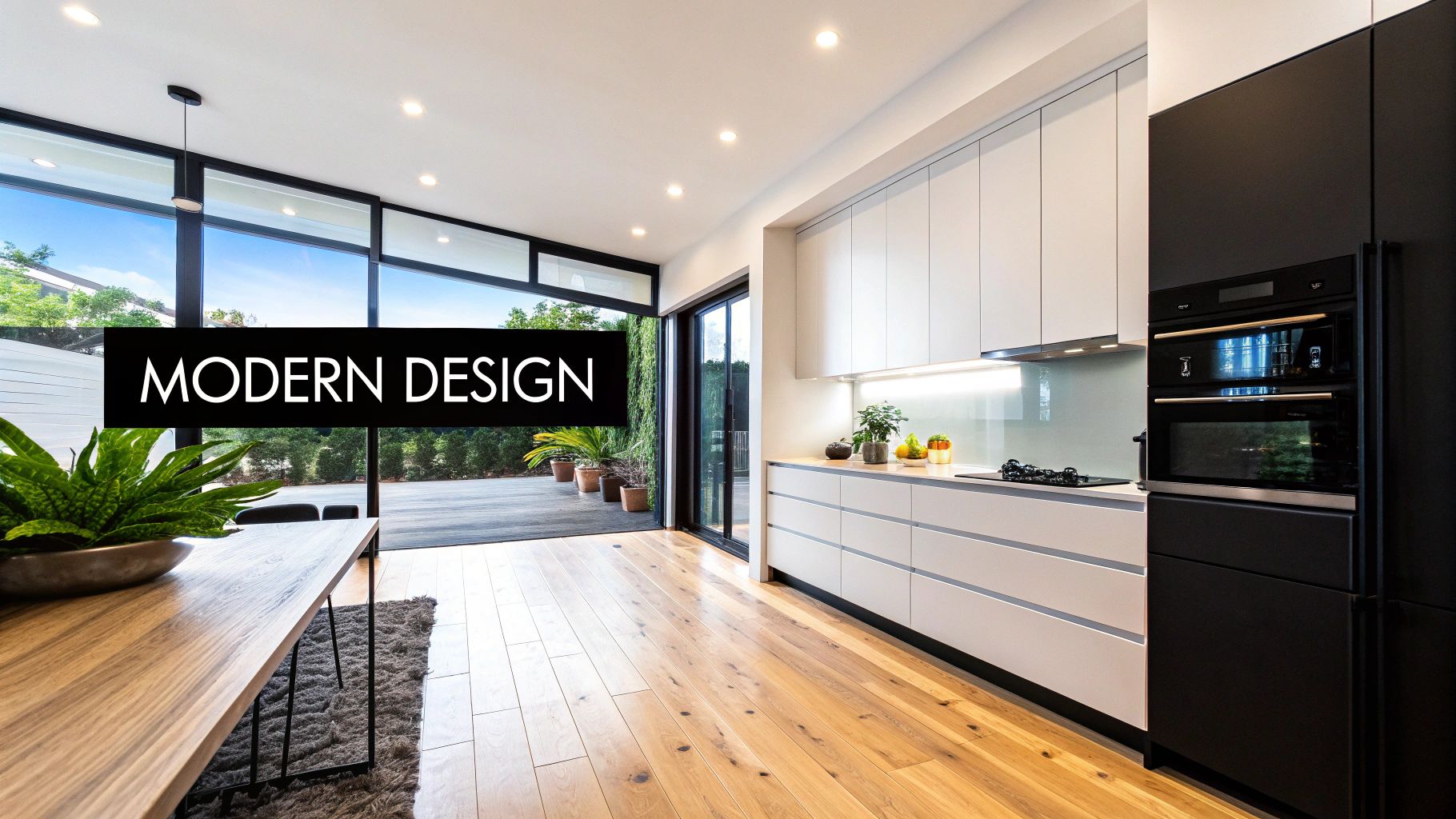
Planning a kitchen remodel requires careful consideration of costs and value. Whether you're updating a few elements or doing a complete renovation, understanding the financial aspects helps you make smart decisions about where to invest your money.
Evaluating Cost Components
The total cost of a kitchen remodel comes from several key areas:
- Materials: The bulk of your budget goes to cabinets, countertops, flooring, backsplashes, and appliances. High-end materials increase costs substantially, while budget-friendly options can help you save.
- Labor: Installation costs vary by project complexity and local contractor rates.
- Design: Working with a professional kitchen designer adds cost but can improve space efficiency and prevent costly mistakes.
- Permits and Inspections: Local building requirements may need permits and inspections, affecting your total budget.
Small cosmetic updates like cabinet refacing cost less than major renovations with structural changes. Kitchen size also impacts cost – larger spaces need more materials and labor time. According to the Cost vs. Value Report, a typical midrange kitchen remodel in 2024 averages $27,492. This usually covers cabinet refacing, new laminate countertops, sinks, faucets, appliances and flooring. Homeowners can expect to recoup about 96.1% of costs when selling. Find more cost details here.
Return on Investment (ROI)
Though kitchen remodels require significant upfront costs, they typically offer strong returns. An updated, functional kitchen appeals strongly to home buyers and can boost property value considerably. The exact ROI depends on your location and the quality of materials and workmanship.
Using a Kitchen Remodel Cost Calculator
A kitchen remodel cost calculator helps estimate project expenses before you begin. By entering details about your kitchen size and materials, you can get a rough budget figure. This gives you a starting point for planning and helps guide your decisions.
Balancing Cost and Value
Success comes from finding the right balance between spending and benefits. Choose materials and features that fit your budget while improving both function and style. Compare contractor bids carefully and negotiate fair prices. With proper planning and smart choices about where to invest, you can create an excellent kitchen that works for your needs and budget.
Maximizing Your Budget Based on Location

The cost of a kitchen remodel varies significantly based on where you live. Getting familiar with costs in your area helps you plan better and find opportunities to save money. Key factors include the availability of materials, transportation costs, and local labor rates.
How Location Affects Your Remodel Budget
Several elements create cost differences between regions. If certain materials are hard to find locally, you'll pay more due to shipping expenses. Labor costs also swing widely – metro areas typically charge more than rural locations for the same work. A kitchen remodel in New York City will cost much more than one in a small town. Learn more about location-based remodeling costs. Don't forget to factor in local building permits and regulations too.
Smart Ways to Use Local Resources
Working with nearby suppliers can help reduce costs. Look for contractors who know your local market well and understand typical pricing. Timing matters too – scheduling work during slower seasons may let you negotiate better rates as contractors compete for business. For help picking out cabinets (often a major expense), check out this guide to cabinet selection.
Adapting Plans to Local Prices
Being flexible with your design choices helps manage costs. Using materials that are readily available in your area often costs less than importing specialty items. You might pick a different countertop material or cabinet style that's more budget-friendly. The key is finding alternatives that give you the look you want without breaking the bank.
Understanding Price Differences by Region
Good research helps you handle regional price changes. Use cost calculators designed for your specific area to get accurate estimates. Get quotes from multiple local suppliers and contractors to understand fair market rates. This knowledge helps you spot genuine deals and avoid overpaying for materials or labor.
Making Strategic Material Selections
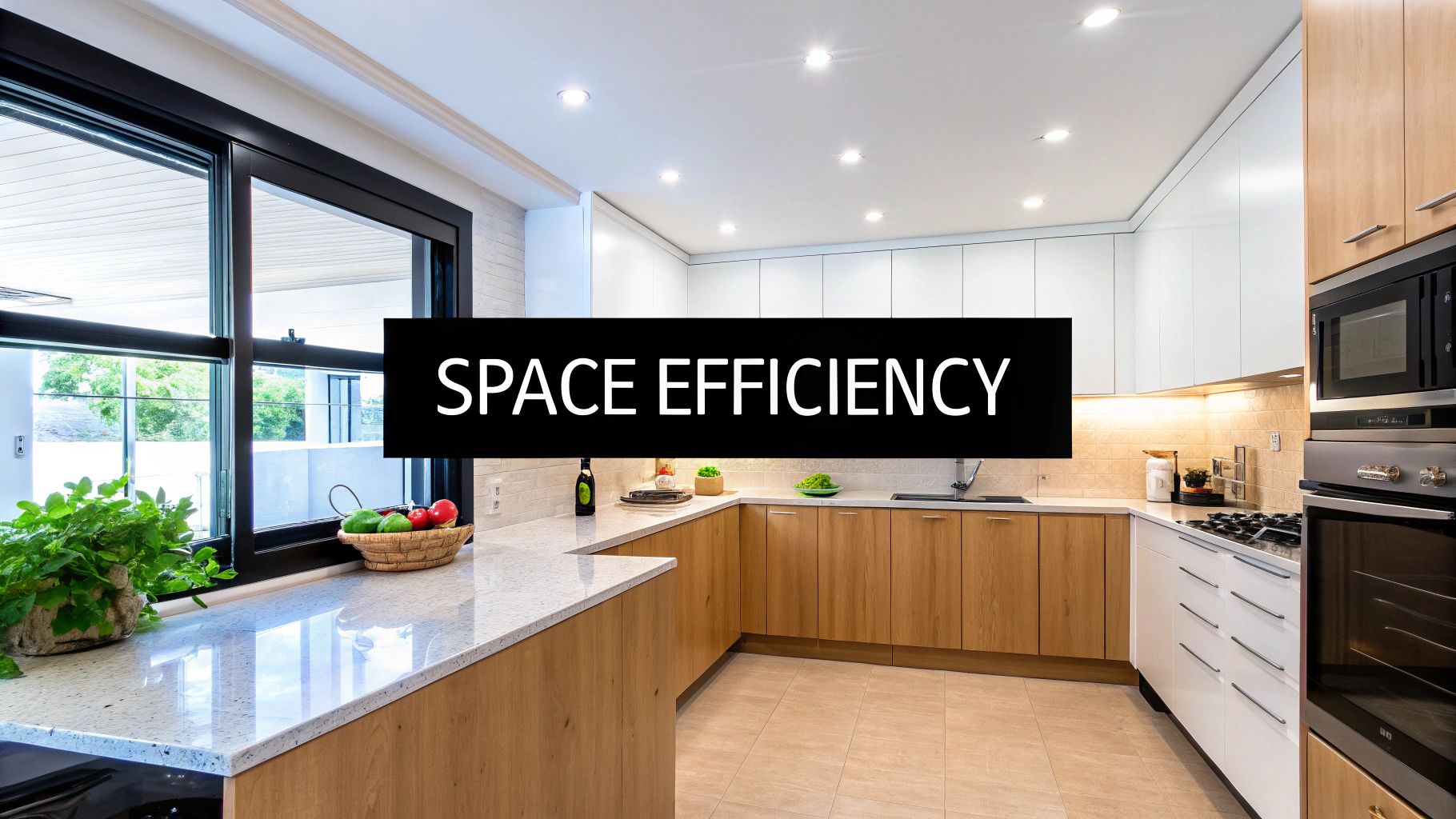
Choosing the right materials for your kitchen remodel can feel like a complex puzzle. This section helps simplify your choices by breaking down different options – from budget-friendly to premium – so you can make decisions that fit your calculator results.
Balancing Aesthetics, Durability, and Cost
The best kitchen renovations find the right mix of beautiful design, lasting quality, and reasonable prices. Each material choice involves weighing these factors carefully. For example, quartz countertops cost more than laminate but offer excellent durability and modern style. Understanding these trade-offs helps you pick materials that match your priorities.
Smart Material Sourcing and Timing
Getting the best prices takes more than comparing basic quotes. Simple tactics like timing your purchases during sales seasons and working with local suppliers can lead to meaningful savings. These practical approaches help make the most of your budget.
Exploring Cost-Effective Alternatives
You can create a stunning kitchen without choosing the priciest options. Many affordable materials can achieve high-end looks – like butcher block countertops offering natural warmth for less than marble. Finding these smart substitutes lets you build your dream kitchen without overspending.
Cabinets: The Foundation of Your Kitchen
Cabinets make up a major part of any kitchen remodel budget. Stock cabinets provide good value, while semi-custom options offer more design choices. Custom cabinets built to your exact needs give the most personalization but cost more. Think about long-term value when deciding. Sinclair Cabinetry crafts high-quality custom wood cabinets in many styles to match different budgets.
Countertops: Balancing Style and Function
Your countertops need to handle daily use while making your kitchen look great. Options range from budget-friendly laminate to premium marble. Granite remains popular for its strength and timeless appeal, while quartz offers modern style with better stain resistance.
Flooring: A Durable Foundation
Kitchen floors must stand up to heavy traffic while looking good. Consider factors like moisture resistance and cleaning needs. Common choices include tile, hardwood, and vinyl – each offering different benefits for their price point.
Appliances: Investing in Functionality
Appliances directly impact how well your kitchen works. Focus on energy efficiency ratings and features that match how you cook. While stainless steel finishes stay popular, newer options like black stainless and matte black are gaining fans. Balance appliance costs with your total budget.
Creative Material Combinations
You don't need premium materials everywhere to create visual impact. Smart combinations can make a big statement – like pairing simple laminate counters with eye-catching tile backsplash. These thoughtful material mixes help you work within your calculator estimates while still achieving stunning results.
"Building Your Dream Team: Contractor Selection and Cost Management"
Building Your Dream Team: Contractor Selection and Cost Management
Selecting the right contractor is one of the most important decisions you'll make for your kitchen remodel. A good contractor can bring your vision to life while keeping costs in check. The key is finding someone who understands both your goals and budget constraints.
Identifying and Vetting Potential Contractors
Start by asking friends and family for contractor recommendations or checking trusted review sites. You can also explore Sinclair Cabinets' network of trusted builders, designers, and contractors. Local home shows are another great place to meet contractors face-to-face. When interviewing potential candidates, ask about their experience with kitchen remodels, verify their licenses and insurance, and discuss their project management style.
Understanding Contractor Proposals and Pricing
A good proposal should spell out all project details – from materials and labor costs to payment schedules. Be careful with unusually low bids, as contractors may cut corners or use lower-quality materials to reduce costs. Always get at least 3-4 detailed quotes before making your decision.
Watching for Warning Signs
Stay alert for red flags like:
- Vague or incomplete contracts
- Missing or questionable references
- High-pressure sales tactics
- Requests for large upfront payments
Remember that the lowest bid isn't always the best choice. Focus on finding a contractor who offers fair pricing alongside solid experience.
Managing Labor Costs
Labor typically makes up 30-50% of total remodel costs. Some contractors charge fixed fees while others bill hourly. Fixed-fee contracts often work better for larger projects, giving you more predictable costs. For smaller jobs, hourly rates might save money. Make sure the fee structure matches your project's scope.
Setting Clear Communication Guidelines
Good communication prevents costly mistakes and delays. Set expectations upfront for:
- Regular progress updates
- Payment milestones
- How changes or issues will be handled
- Best ways to reach each other
When both sides communicate openly, projects tend to run smoother and stay on budget. Write down all major decisions and agreements to avoid confusion later.
Mastering Cost Calculator Tools for Accurate Planning
Understanding how to effectively use kitchen remodel cost calculators helps take the guesswork out of budget planning. These practical tools can help you create a realistic budget and avoid costly surprises. Here's how to get the most out of them. Learn more about kitchen remodeling fundamentals.
Using Calculators with Real Price Data
While online calculators provide useful estimates, their accuracy depends heavily on your inputs. For instance, a basic calculator might give you a general cost per square foot, but your specific material selections could significantly change the final price. For best results, combine calculator estimates with actual quotes from local vendors and contractors.
Making Calculator Adjustments
Standard calculators work with averages, but your kitchen project likely has unique elements that affect costs. Special features, unusual layouts, or custom work may require adjustments to calculator results. Think of it like customizing a basic recipe to match your taste and ingredients.
Smart Calculator Strategy
Experienced remodelers don't rely on just one calculator. Instead, they compare results from multiple sources to get a more complete picture. This helps spot potential cost variations and creates a more reliable budget. Getting actual contractor quotes helps validate these estimates.
Location-Based Calculations
Cost calculators vary in accuracy based on where you live. Some tools focus on specific regions, while others use national averages. Pick a calculator that matches your area, or learn to adjust the numbers based on local costs.
Getting Accurate Estimates: Key Steps
- Take Good Measurements: Careful kitchen measurements are essential. Small measuring errors can lead to big cost differences.
- Be Specific About Materials: Instead of just listing "cabinets," specify exactly what you want – like "custom cherry wood cabinets."
- List Everything: Include all project elements from demolition to final touches.
- Use Multiple Sources: Check several calculators to compare estimates.
- Get Real Quotes: Ask local contractors for estimates to verify calculator results.
- Add Extra Funds: Set aside 5-10% of your budget for unexpected issues.
By following these guidelines, you can turn basic cost calculators into valuable planning tools. Good planning leads to smoother renovations that stay within budget.
Creating Your Comprehensive Budget Blueprint
A clear budget plan is essential when starting your kitchen remodel. Creating a detailed blueprint helps turn your design ideas into reality while keeping costs under control. Let's walk through how to build and manage an effective remodeling budget.
Building a Detailed Budget
Start by listing every expected cost for your project. Breaking expenses into clear categories makes it simple to track spending and make smart decisions. For example, separate sections for cabinets, countertops, appliances, and labor give you a clear view of where your money is going.
- Record Each Cost: Document everything from demo work to final touches
- Group Similar Items: Keep related expenses together (e.g., all flooring costs)
- Set Priorities: Identify must-have features versus optional elements
Proven Methods for Budget Management
Managing a remodel budget requires active strategies and regular monitoring. Your budget should be able to adapt to changes while keeping the project on financial track.
- Track All Spending: Use basic spreadsheets or apps to compare actual costs versus plan
- Plan Payment Timing: Align payments with key project milestones
- Build in Extra: Include a 5-10% buffer for unexpected issues
Contingency Planning and Timeline Management
Even careful plans can hit snags. Hidden problems like plumbing issues can affect both costs and timing. Planning ahead helps minimize these disruptions.
- Emergency Fund: Set aside money for surprise expenses
- Flexible Schedule: Allow extra time to avoid rushed decisions
- Regular Reviews: Check budget and timeline progress often, especially for bigger projects
Budget Allocation Strategies
Smart allocation helps your money have the most impact. For example, you might choose high-end cabinets but balance that with more affordable flooring to stay within budget.
| Item | Budget Allocation Strategy |
|---|---|
| Cabinets | Consider stock, semi-custom, or custom options based on your needs and budget. |
| Countertops | Explore various materials, balancing cost with desired aesthetics and durability. |
| Appliances | Prioritize energy efficiency and features that align with your cooking style. |
| Flooring | Choose durable and easy-to-maintain materials that fit your budget. |
| Lighting & Fixtures | Select fixtures that enhance the design while staying within your allocated spending. |
A solid budget blueprint guides your kitchen remodel to success. This practical roadmap keeps your project on track both financially and creatively. Ready to start planning your dream kitchen? Visit Sinclair Cabinetry to explore custom cabinet options and get expert guidance for your remodel.