

When you need every square inch, a three-quarter bath is like the perfect packing trick for your home. It folds in a sink, toilet, and either a shower or a compact tub within about 32–50 square feet, giving you full function on a tight footprint.
Quick Answer To Three Quarter Bath
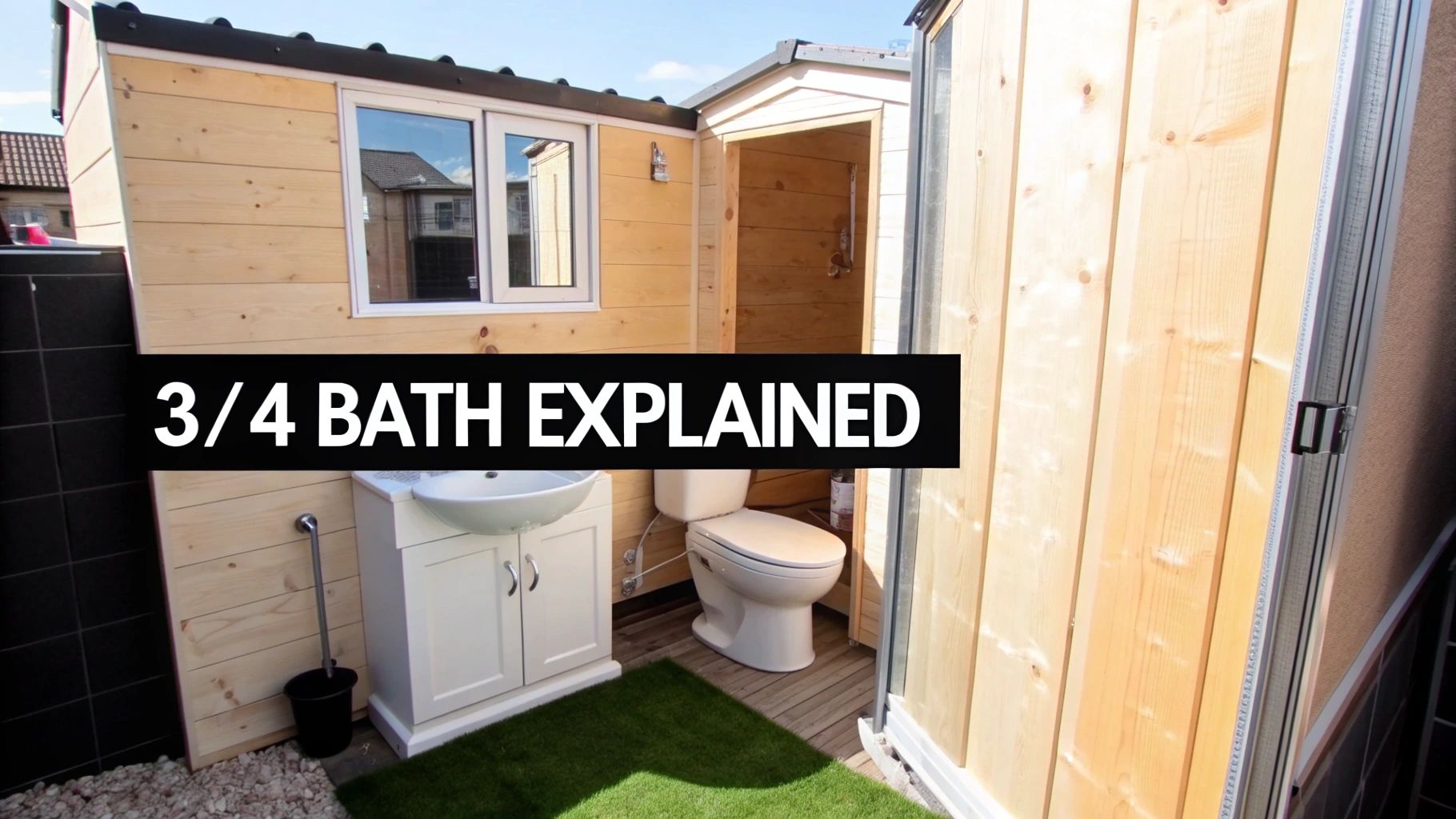
In a nutshell, this layout hits all the essentials without feeling cramped.
- Sink: A vanity or wall-hung basin, roughly 20–24 inches wide
- Toilet: Standard bowl, about 28–30 inches deep
- Shower or Compact Tub: Fits neatly into a 30×30 to 32×48-inch footprint
Overview Of Three Quarter Bath
Below is a quick glance at what to expect when planning this bathroom type.
| Fixture | Included | Typical Dimensions |
|---|---|---|
| Sink | Yes | 20–24" wide |
| Toilet | Yes | 28–30" depth |
| Shower or Tub | Yes | 30×30–32×48" |
This snapshot highlights how a three-quarter bath bridges the gap between a half bath and a full bath.
Compared to a half bath, you gain a dedicated shower without the square footage or budget of a full bathroom. That little extra fixture can make mornings smoother and guest stays more comfortable.
Style Notes On Fixtures
- Chrome finishes bounce light around, making a small room feel brighter.
- Brushed nickel masks water spots and adds a cozy glow.
- Matte black draws the eye, framing pale tile with a striking contrast.
Homeowners often tuck these baths into guest suites, basement rec rooms, or snug condos to boost usability. Renovators on a budget appreciate the efficient layouts and faster timelines a three-quarter bath delivers.
Typical installation costs fall between $5,000 and $12,000, depending on fixture quality and plumbing access.
- Budget Range: $5,000–$8,000 for stock fixtures
- Mid-Range: $8,000–$10,000 with semi-custom upgrades
- High-End: $10,000–$12,000 for designer touches
Adding a three-quarter bath can boost resale value by around 10% in secondary suites.
Resale Boost
- A third bathroom gives buyers an extra layer of convenience.
- Small investment, big return—expect about 80% of your costs back in home value.
More often than not, this upgrade costs less than carving out a full bath while delivering nearly the same perks.
Quick Takeaways
- Evaluate existing plumbing walls first to minimize rerouting expenses.
- Choose clear glass enclosures to open up sightlines and keep the space feeling airy.
Understanding Three Quarter Bath
A three-quarter bath sits neatly between a half bath and a full bathroom. It’s like the weekend bag of the bathroom world—bigger than a carry-on but lighter than a checked suitcase.
- Carry-on Half Bath: Sink and toilet for quick stops
- Weekend Bag Three-Quarter Bath: Sink, toilet, plus a shower or tub
A 3/4 bath typically combines three of the four main fixtures: a toilet, a sink, and either a shower or a bathtub—but not both. It grew popular as a middle ground between the space-saving half bath and the all-in-one full bath.
Most three-quarter bathrooms span 32 to 50 square feet, with a common footprint of 5×8 feet (about 40 square feet). You’ll find them in apartments and smaller homes where every inch matters. Discover more insights about three-quarter baths on AJC
Maximizing Compact Bathroom Space
Natural light can be your best friend in a tight footprint. Skylights or tall, narrow windows let sunshine bounce off light-colored tiles and make the room feel open.
Storage needs to be smart. Recessed shelves and floating vanities free up floor space, while a mirror above the sink reflects light deeper into the room. Placing a corner shower or tub/shower combo along an existing plumbing wall keeps installations straightforward.
- Linear Layout: All fixtures on one wall for simple plumbing
- Corner Shower Layout: Shower tucked into a corner to open up floor space
- L-Shape Layout: Fixtures arranged in an “L” for smooth traffic flow
Ideal Settings For Three Quarter Bath
This layout shines in urban condos, ADUs, and basement suites where square footage is at a premium. You can fit a full morning routine into just 40 square feet, and guests appreciate the convenience.
"The three-quarter bath transformed our basement suite into a functional guest space without expanding square footage," says designer Jane Doe.
In tight builds, homeowners often save 15% on construction compared to a full bath. The smaller footprint means fewer plumbing reroutes and less red tape at the permit office.
Whether you’re turning a downstairs powder room into a usable full bath or tacking on an ensuite for a teenager, a three-quarter bath blends practicality with space efficiency. It’s a versatile choice for any home.
Comparing Bath Types
Choosing the right bathroom setup comes down to balancing fixtures, square footage, and budget. A half bath is like grabbing a quick snack—efficient and no-frills. A full bath feels more like a leisurely feast, offering every amenity you could need. In between, the three-quarter bath is your weekend duffel: more capacity than a carry-on but lighter than checked luggage.
Below is an infographic summarizing how each bath type aligns with luggage options and key size ranges.

This visual illustrates that a half bath spans 20–30 sq ft, a three-quarter bath sits around 35–50 sq ft, and a full bath stretches to 40–60+ sq ft.
Key Fixture Comparison
Fixtures dictate how you live in the space. Here’s the breakdown:
- Half Bath: Toilet + sink – ideal for powder rooms or entryways.
- Three-Quarter Bath: Toilet + sink + shower – no tub, but full functionality.
- Full Bath: Toilet + sink + shower + tub – covers every bathing preference.
Bath Type Comparison
Use this quick reference before sketching your layout.
Below is an introduction to the main fixtures and the average footprint for each bath type.
| Bath Type | Fixtures | Average Size |
|---|---|---|
| Half Bath | Toilet, Sink | 18–30 sq ft |
| Three-Quarter | Toilet, Sink, Shower | 35–50 sq ft |
| Full Bath | Toilet, Sink, Shower, Tub | 40–60+ sq ft |
With these figures in hand, you can pick the option that fits both your floorplan and daily needs.
Daily Comfort Differences
How you move through your day changes with each layout:
- Half Bath: Quick stops only—no bathing facilities here.
- Three-Quarter Bath: Private showers for busy mornings or workout recovery.
- Full Bath: Both showers and tubs—more options but also more cleaning.
Cost And Water Use
Understand the investment in money and resources:
-
Cost Range:
- Half Bath: $1,500–$5,000
- Three-Quarter Bath: $5,000–$12,000
- Full Bath: $10,000–20,000+
-
Water Flow:
- Showers: 2.5 GPM
- Tubs: 4–5 GPM
Impact On Home Value
Adding a bathroom pays dividends when it’s time to sell.
Homes with a three-quarter bath added can see a 10% resale value increase in secondary suites.
A smart remodel choice not only enhances daily life but also makes a strong case at appraisal time. By weighing fixtures, space, and costs side by side, you’ll land on the perfect bath type for your home.
Assessing Benefits And Limitations
A three-quarter bath strikes a clever balance between space and function. In just 32–50 square feet, you can comfortably fit a sink, toilet, and shower without turning your bathroom into a closet.
By cutting down the footprint, you’ll see renovation costs drop by up to 30% versus a full bath. For instance, converting a half bath into a three-quarter adds shower access but skips the room a tub needs.
Homeowners also love the cleaning bonus—smaller rooms mean 25% less cleaning time each week.
- Saves floor space for adjacent rooms
- Cuts plumbing rerouting costs
- Speeds up installation timelines
Space Saving Advantages
In tight urban condos or cozy cottages, real estate is everything. A three-quarter bath can line all fixtures up on one plumbing wall, freeing up precious square footage.
You might tuck the shower into a corner to keep the center open for traffic flow or decorative accents. Traditional 5×8 baths often run $5,000–$12,000, but three-quarter remodels usually hover nearer the low end of that range.
- Budget friendly without sacrificing shower access
- Simplified plumbing along one wall
- Reduced permit hassle and material needs
Limitations To Consider
If you’ve got young kids, you may miss a full-size tub for bubble baths. And that cozy shower footprint can feel a bit tight when everyone’s jockeying for mirror space.
Built-in storage tends to be minimal. You’ll likely lean on clever niches, slimline shelves, or wall hooks to keep toiletries handy.
Some buyers expect at least one full bath, so resale concerns can pop up. Positioning your three-quarter layout as ideal for guest suites or in-law spaces can nip misconceptions in the bud.
“We turned our basement into a guest haven but had to add floating shelves for towels,” shares homeowner Anna Lee.
Expert Styling Solutions
The right accessories can turn a snug bath into a stylish retreat. Heated towel rails and recessed niches add a touch of luxury without bulk.
- Slimline vanities open floor space visually and physically.
- Accent lighting draws eyes toward high ceilings.
- Mirror panels expand perceived room width.
Learn more about maximizing bathroom returns in our guide on bathroom remodel return on investment.
While three-quarter baths come with perks, regular upkeep is crucial—including knowing how to get rid of black mold in a shower.
With thoughtful planning, a three-quarter bath balances form and function. Decide wisely if this layout fits your home needs. Start today.
Planning A Three Quarter Bath Remodel
Remodeling a three-quarter bath is like fitting a puzzle into a tight box. You need to think through spatial flows, plumbing runs, and door swings all at once.
In spaces as small as 5×8 feet, layout choices make or break comfort. Positioning fixtures too close can feel cramped; too far apart eats into your walking area. The goal? Enough elbow room without wasted corners.
For instance, lining up your sink, toilet, and shower along one wall can shave off labor costs and installation time—think of it as the plumbing equivalent of keeping cables in a neat bundle.
- Linear Layout places sink, toilet, and shower in a straight line along one wall to minimize plumbing runs.
- Corner Layout tucks the shower into a corner, freeing the center space for movement.
- L-Shape Layout positions fixtures on perpendicular walls to improve traffic flow in small baths.
Layout Options
Picking the right arrangement early on makes everything else clearer—plumbing, wiring, even your choice of tile patterns. Use a 40 square foot footprint as your baseline and add wiggle room for wider door swings.
"Efficient layout choices can cut remodeling time by 20%, saving both days and dollars," notes contractor Sam Wilson.
Plumbing Rough-In And Ventilation
Once framing and electrical work are in place, plumbing rough-in begins. Position your vent fan close to the shower to keep steam moving toward the duct instead of your walls.
- Trap Arm Length: 24–30 inches from trap to vent
- Shower Size Minimum: 30×30 inches for comfort
- Ventilation Rate: At least 50 CFM for a 50 sq ft bathroom
Budget And Scheduling
A three-quarter bath can range from $5,000–$12,000, depending on fixtures, tile, and hardware.
- Economy: Basic fixtures and stock showers ($5,000–$7,000)
- Mid-Range: Semi-custom vanity and upgraded tile ($7,000–$10,000)
- Premium: Designer tile, frameless glass, high-end hardware ($10,000–$12,000)
Scheduling tip: Follow the demo → rough-in → finish sequence to avoid rework and keep your timeline on track.
For step-by-step sequencing and layout guidance, check out our guide on how to plan a bathroom renovation.
When you’re ready to transform your three-quarter bath, consider consulting professional bathroom renovation services for expert support.
Checklists And Pitfalls
A simple checklist is like a flight plan—skip it and you risk delays or unexpected costs.
- Ignoring existing plumbing walls can add 15% to labor costs
- Skipping permit reviews leads to fines and rework
- Underestimating tile and grout curing time can tack days onto your schedule
“Permit processing can take 2–4 weeks, so submit plans early,” warns builder Alex Martin.
Invest in moisture-resistant trim and plan your cabinetry footings to dodge leaks and uneven floors down the road.
Finish And Maintenance
Your tile, grout, and hardware choices affect upkeep as much as style.
- Use tile and grout rated for high moisture to resist mold
- Apply a clear sealant on joints to make regular wipe-downs a breeze
- Pick hardware finishes like brushed nickel or matte black to hide fingerprints
- Inspect seals and caulking every 6 months to catch small issues early
By blending careful planning, code compliance, and quality materials, you’ll end up with a three-quarter bath that feels generous and stands the test of time. Implement these planning steps for a smooth 3/4 bath renovation experience safely.
Designing Storage And Cabinetry Solutions
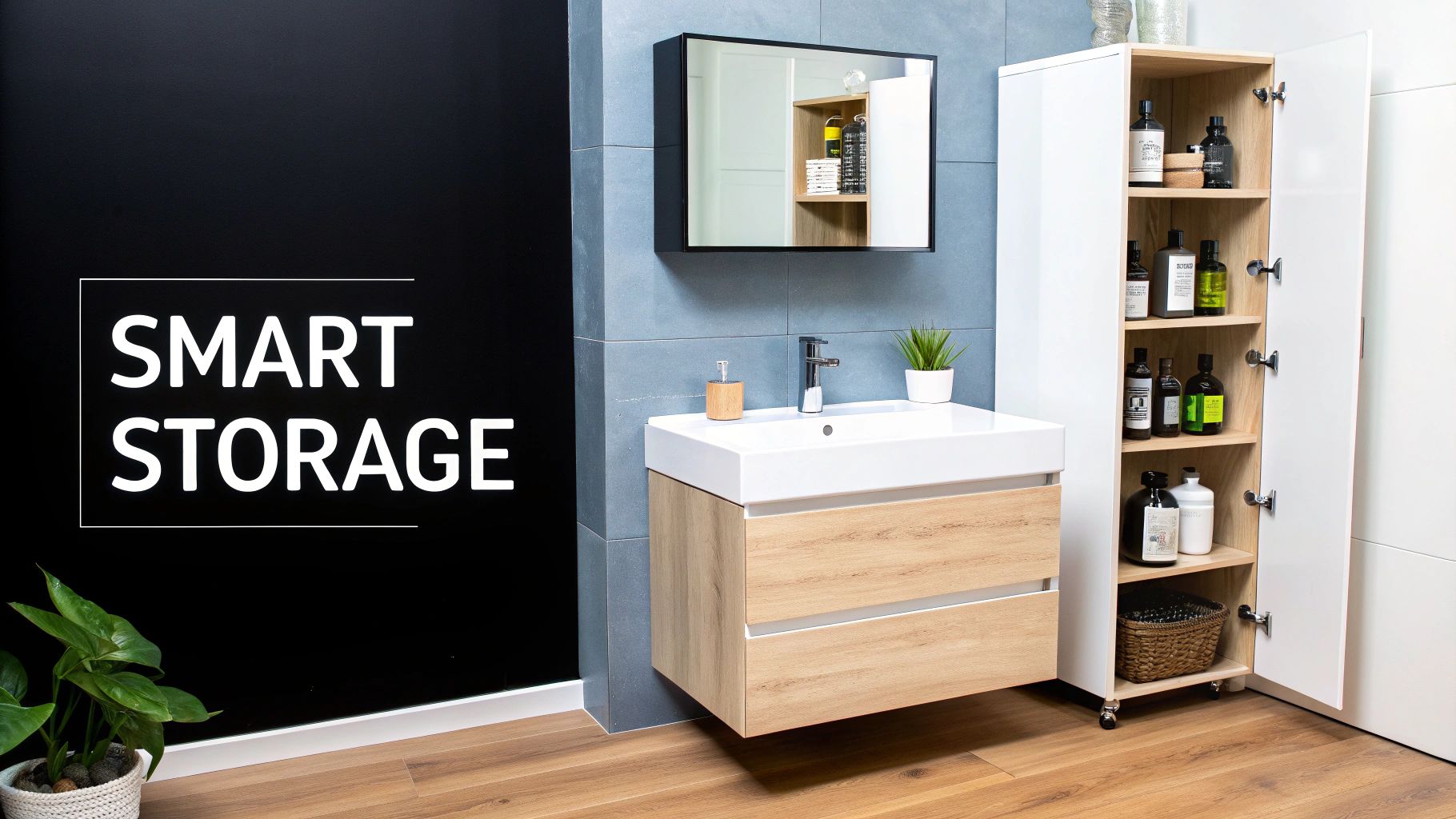
Working in a three-quarter bath feels a lot like packing a week’s worth of clothes into a carry-on. Every inch demands attention—and clever cabinetry makes all the difference.
- Floating Vanities open up floor space and give the room an airy feel.
- Recessed Medicine Cabinets vanish into the wall, keeping essentials tucked out of sight.
- Mirrored Cabinets double as grooming stations and natural light amplifiers.
- Built-In Niches carve out perfect pockets for shampoo, soap and beyond.
Pair these elements with custom joinery and suddenly your “tight” walls become storage powerhouses. Slim-profile cabinets and corner shelves rescue once-forgotten nooks, turning wasted space into practical goodness.
Key Materials And Waterproofing
Bathrooms aren’t forgiving on standard wood products. Using marine-grade plywood or sealed MDF keeps your cabinets flat and unwarped despite daily humidity.
Behind the scenes, a waterproof membrane locks out moisture at the studs. Then, at every joint and edge, a bead of silicone sealant stands guard against leaks and mold.
“Investing in quality substrates and proper sealing is the secret to cabinets that look as crisp five years in as they did on day one.”
Choosing Finishes And Hardware
Picking finishes means balancing style with maintenance. Matte surfaces hide fingerprints; glossy ones shrug off water spots. Hardware must resist rust and stay smooth under steam.
- Brushed Nickel maintains its sheen in steamy conditions.
- Matte Black adds bold contrast without high shine.
- Polished Chrome reflects light and camouflages water marks.
Slim, linear handles complement minimalist designs. For a final touch, tuck LED strips under shelves to showcase textures and keep everything visible at night.
Custom Design Tips
A well-drafted cabinet sketch is like a roadmap—it shows you exactly how each piece fits together. Consider adding a tall, slender “tallboy” next to your vanity to exploit vertical space. Pair corner shelves with a floating drawer below for easy access to daily-use items.
For precise measurements, check out
[https://sinclaircabinets.com/complete-guide-bathroom-vanity-cabinet-dimensions-tips/]
Storage Optimization Case Study
| Project Size | Cabinetry Solution | Result |
|---|---|---|
| 40 sq ft | Under-sink drawers with acrylic organizers built in | 25% more usable storage and a smoother flow |
In this real-world example, careful planning unlocked hidden compartments in toe kicks and vertical zones up to the ceiling. The result? A small footprint that feels roomy and organized.
Balancing a designer’s eye with homeowner needs can turn the most compact three-quarter bath into a refreshing, functional retreat. Thoughtful cabinetry and smart storage solutions help even the coziest baths breathe easy.
Explore more storage plans with Sinclair Cabinetry’s design team for tailored support.
Frequently Asked Questions
Below you’ll find the questions homeowners ask most often when planning, budgeting, and styling a three-quarter bath. Think of this as your quick-reference guide to get solid, real-world answers.
How Much Does It Cost To Build Or Renovate A Three-Quarter Bath
Tackling a three-quarter bath update? Expect prices to land between $5,000 and $12,000, depending on the fixtures you choose, local labor rates, and permit fees. Sticking with stock pieces in a typical 5×8-foot footprint will keep you closer to the bottom end of that range.
- Economy Range: $5,000–$8,000. Basic fixtures, off-the-shelf materials, minimal frills.
- Mid-Range Upgrade: $8,000–$10,000. Semi-custom vanity, nicer tile patterns, a bit more personality.
- Premium Build: $10,000–$12,000. Custom millwork, high-end finishes, designer touches throughout.
Of course, tricky layouts or extensive plumbing moves—and the required permits to back them up—can easily push your numbers higher.
What Is The Best Shower Option For A Three-Quarter Bath
When floor space is at a premium, a walk-in shower with frameless glass becomes your secret weapon. It bounces light around, making the room feel bigger than it is. Corner and neo-angle units, meanwhile, tuck neatly into an unused nook.
“Frameless glass can add up to 15% more visual width in small baths,” says designer Sam Lee.
-
Corner Shower
Fits into a recessed niche and leaves the center of the floor open. -
Neo-Angle Unit
Cuts off sharp corners while still offering generous showering space. -
Low-Threshold Tub/Shower Combo
Delivers the occasional soak without stealing much real estate.
A clear-glass enclosure is almost always the way to go—it keeps sightlines long and the feel airy.
Can I Fit A Tub In A Three-Quarter Bath Layout
Yes—you can squeeze in a 54-inch tub within a 5×8 layout, but you’ll sacrifice some open floor. If you bathe regularly, look for a compact deep-soak model. Otherwise, stick to a shower-only plan to preserve elbow room and add storage.
How Can I Maximize Storage In A Small Three-Quarter Bathroom
In tight three-quarter baths, you need to think vertically and behind the walls. Recessed niches, wall-hung vanities, and built-in cabinets keep everything accessible without crowding the floor.
- Install a tall, slim cabinet next to the vanity for maximum vertical payoff.
- Hang hooks behind the door—perfect for towels, robes, or a robe hook-turned-shelf.
- Add magnetic strips inside drawers to corral tweezers, scissors, and other metal tools.
- Swap out a plain mirror for a recessed cabinet that doubles as a reflective surface.
These small tweaks can turn a compact space into an organized, functional retreat.
Ready to upgrade your three-quarter bath? Visit Sinclair Cabinetry inc for custom storage solutions and expert design advice today.